ART PRACTICE

Andrea Penzo’s art practice focuses on glass as a critical, material, and conceptual device.

Glass is not treated as a neutral medium, but as a system shaped by history, labor, value, and cultural economies.

The work originates in Murano, understood not as an identity or heritage to be preserved, but as a field of tension in which traditional knowledge, contemporary art, and global transformations intersect.

Within this framework, glass becomes a material through which to question production processes, symbolic value, and the responsibilities embedded in making.

The practice unfolds through sculptural works, installations, and research-based projects.

Rather than producing autonomous objects, the works often function as dispositifs: they activate relationships between material, context, memory, and circulation, and are developed through long-term processes rather than isolated gestures.
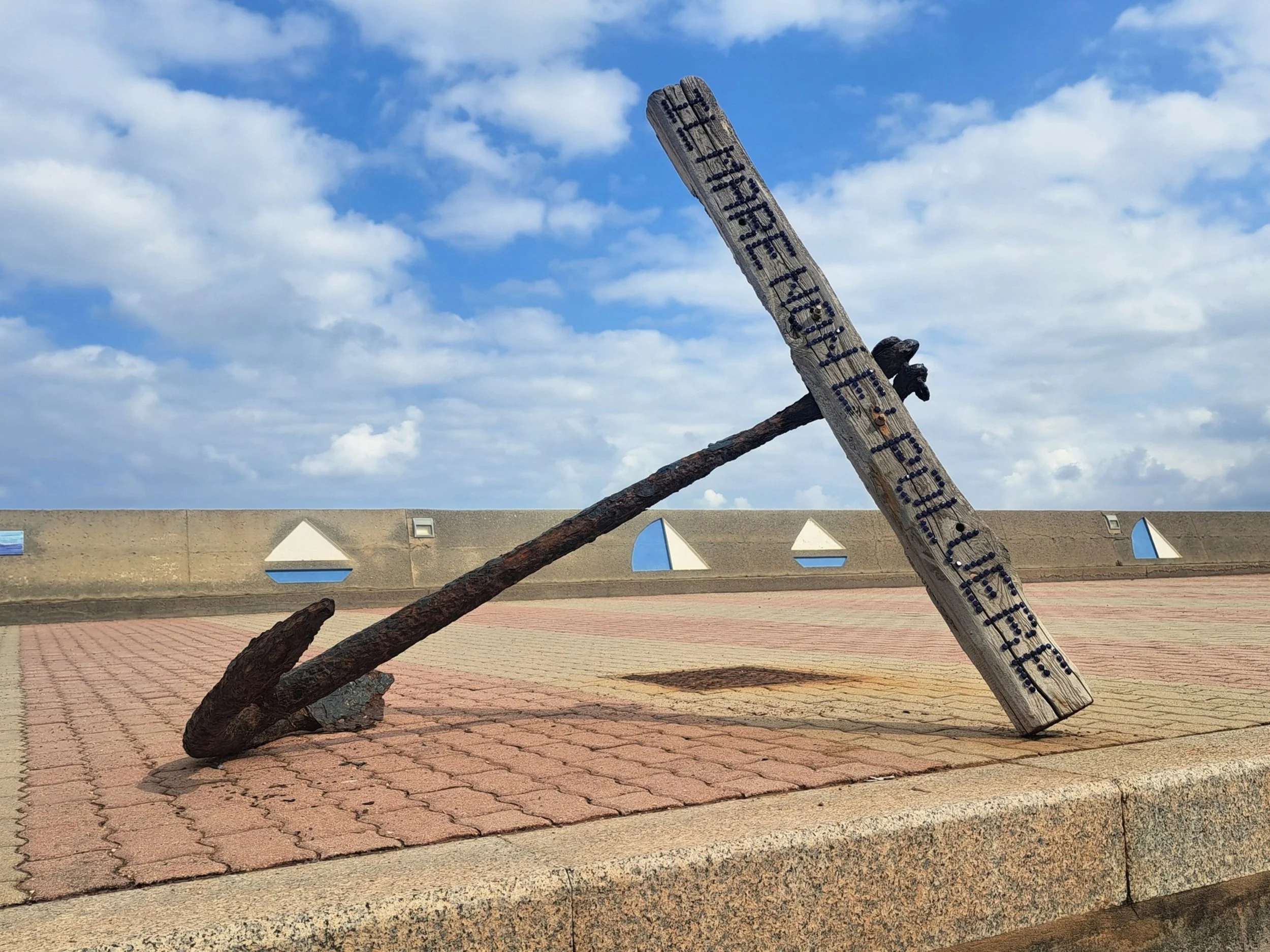
Calasetta

Vitra Osella / Coin

Sculptural work / research project, 2025 by Penzo+Fiore

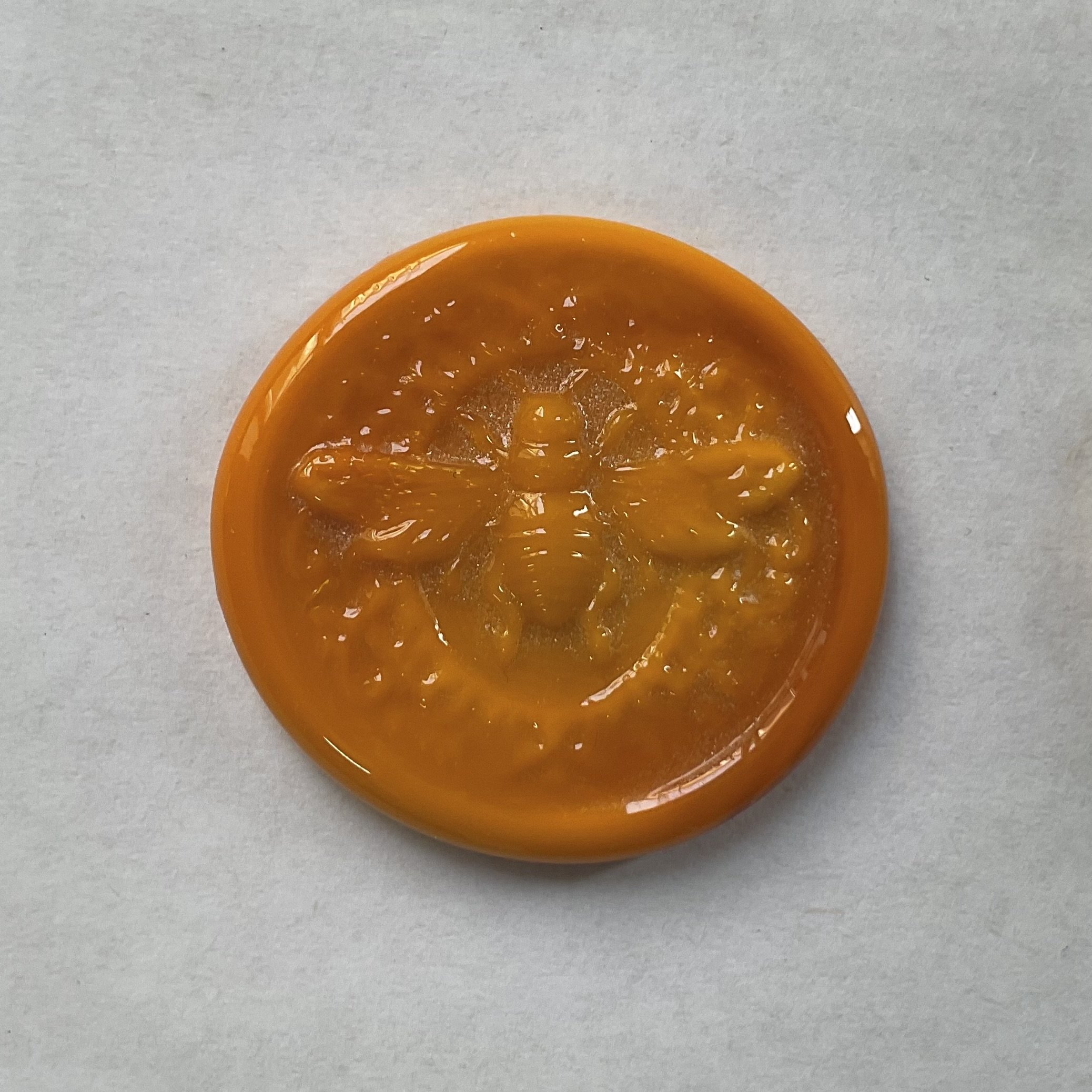
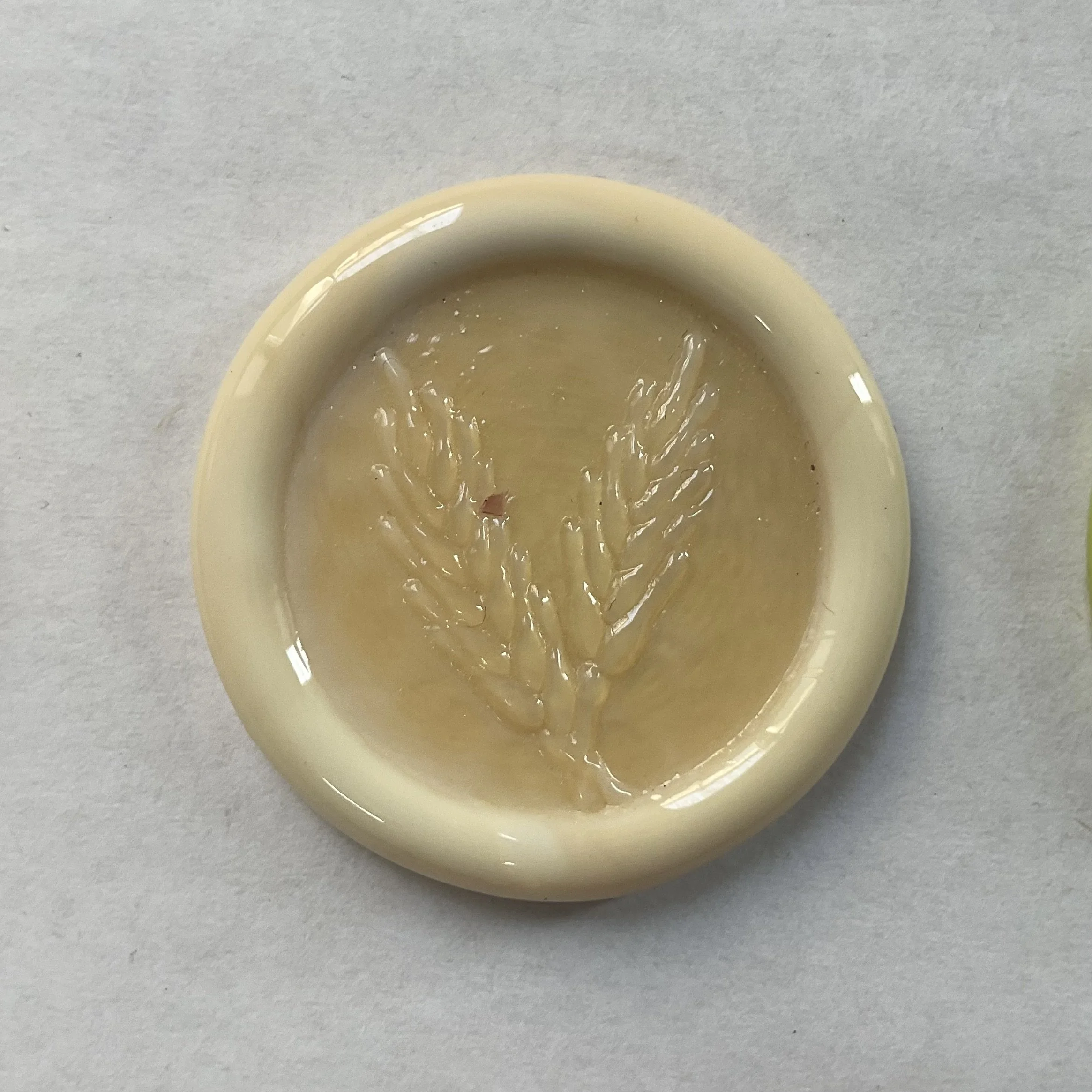
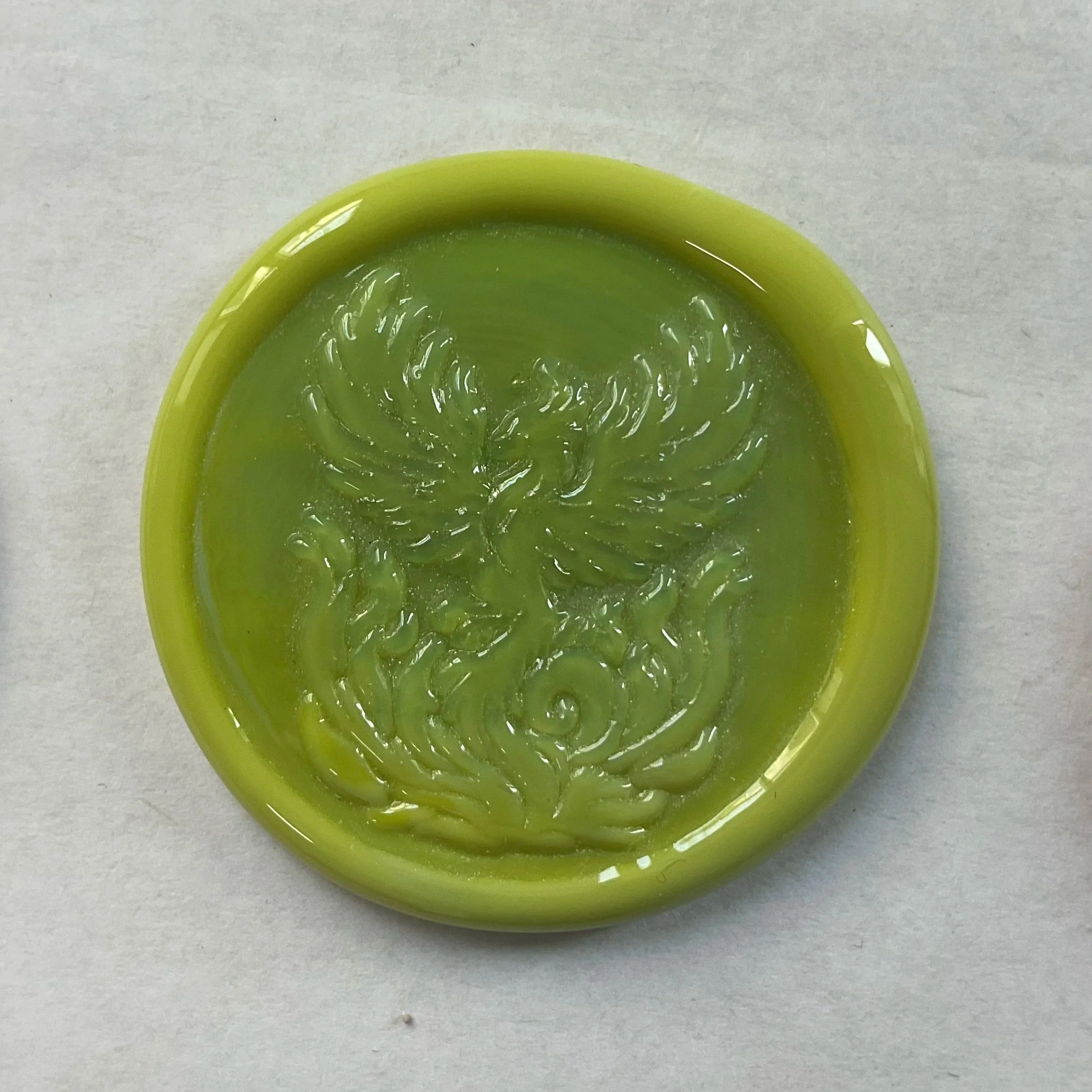
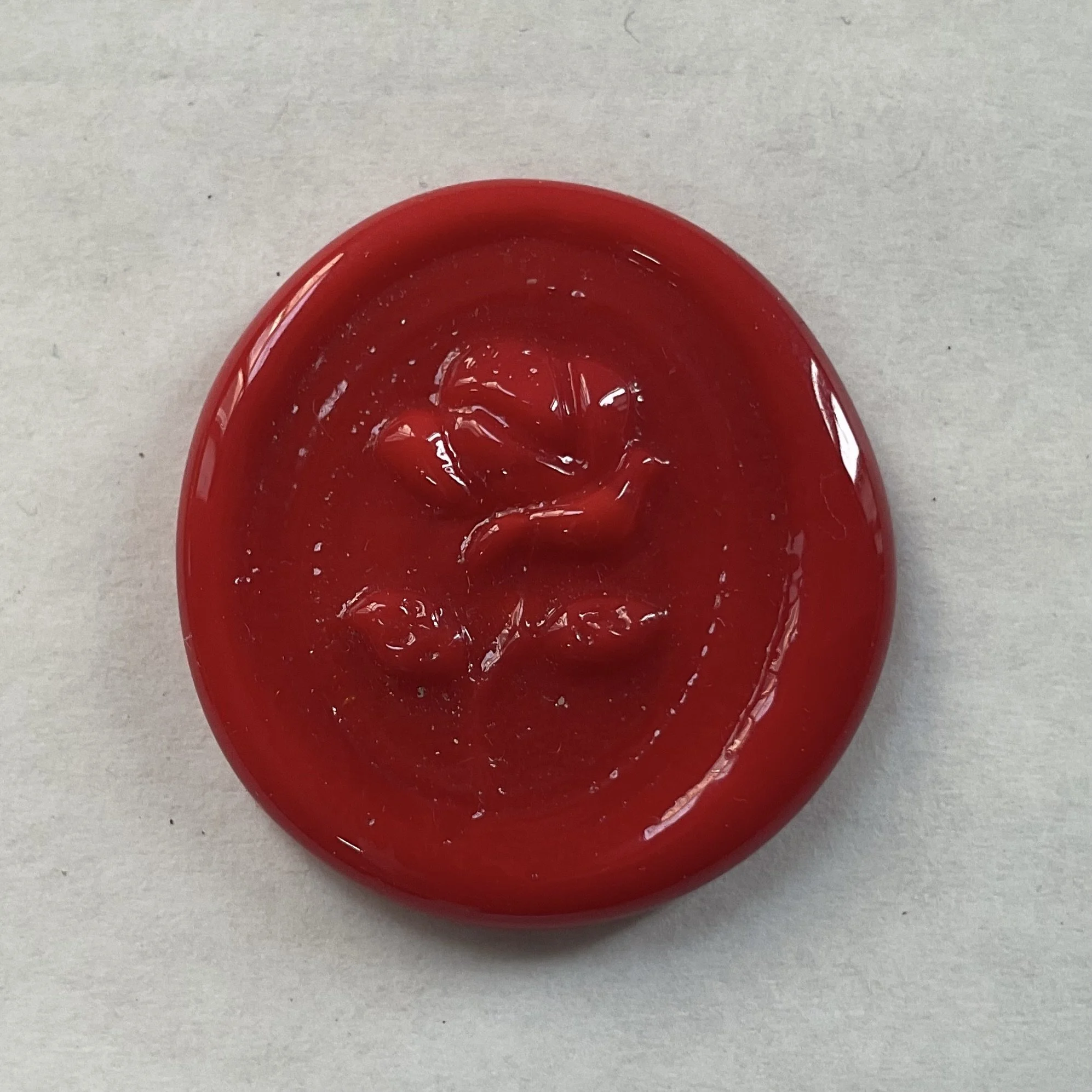
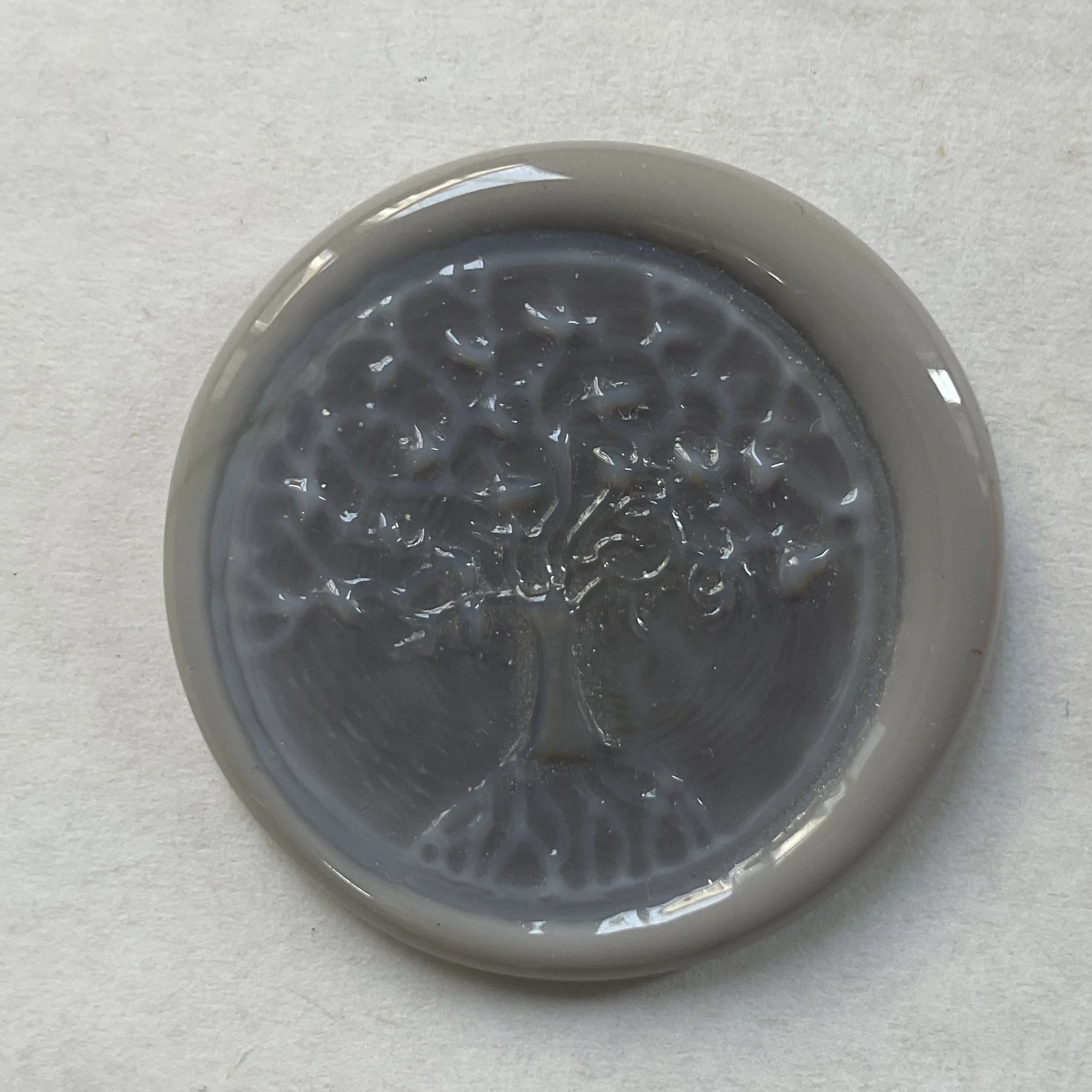
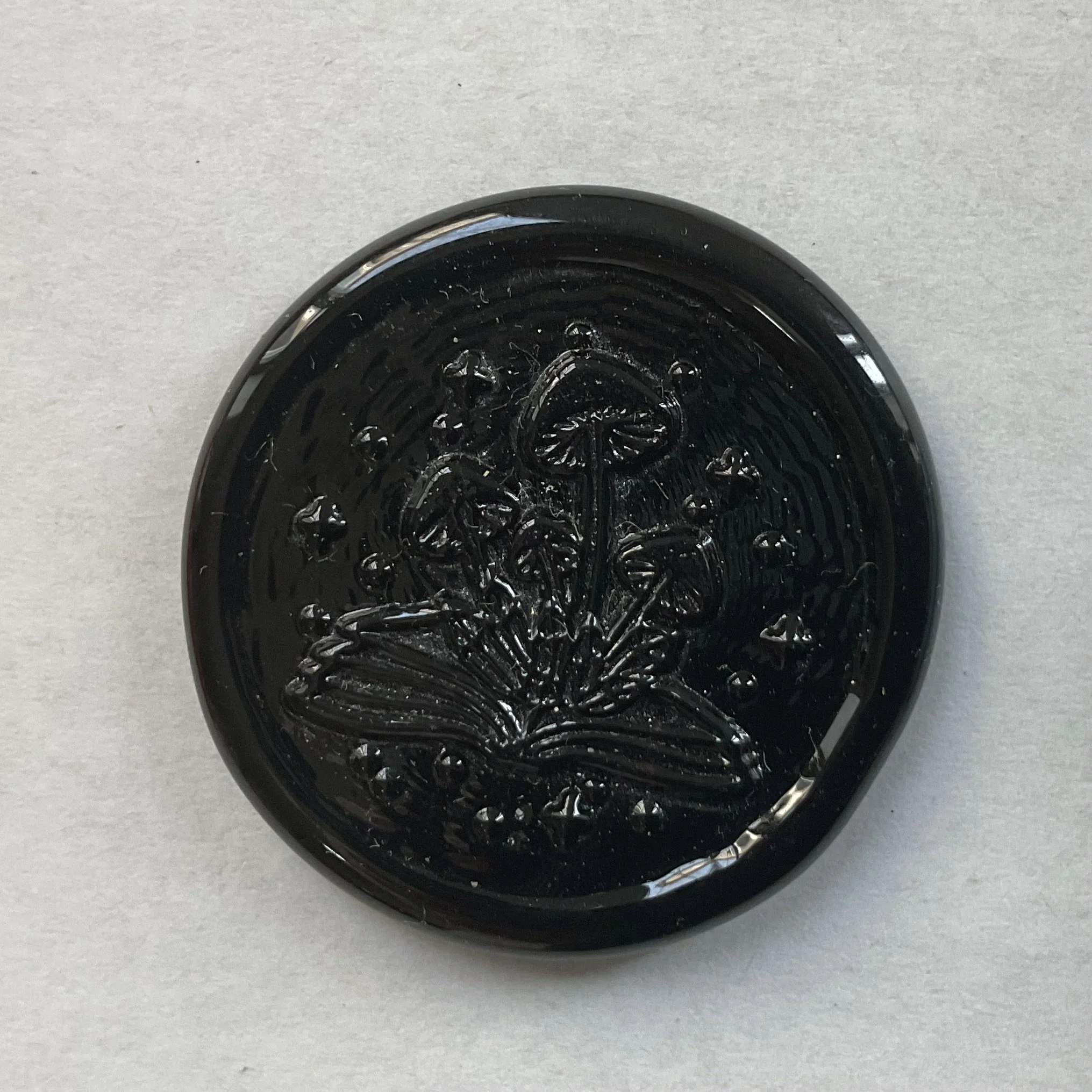
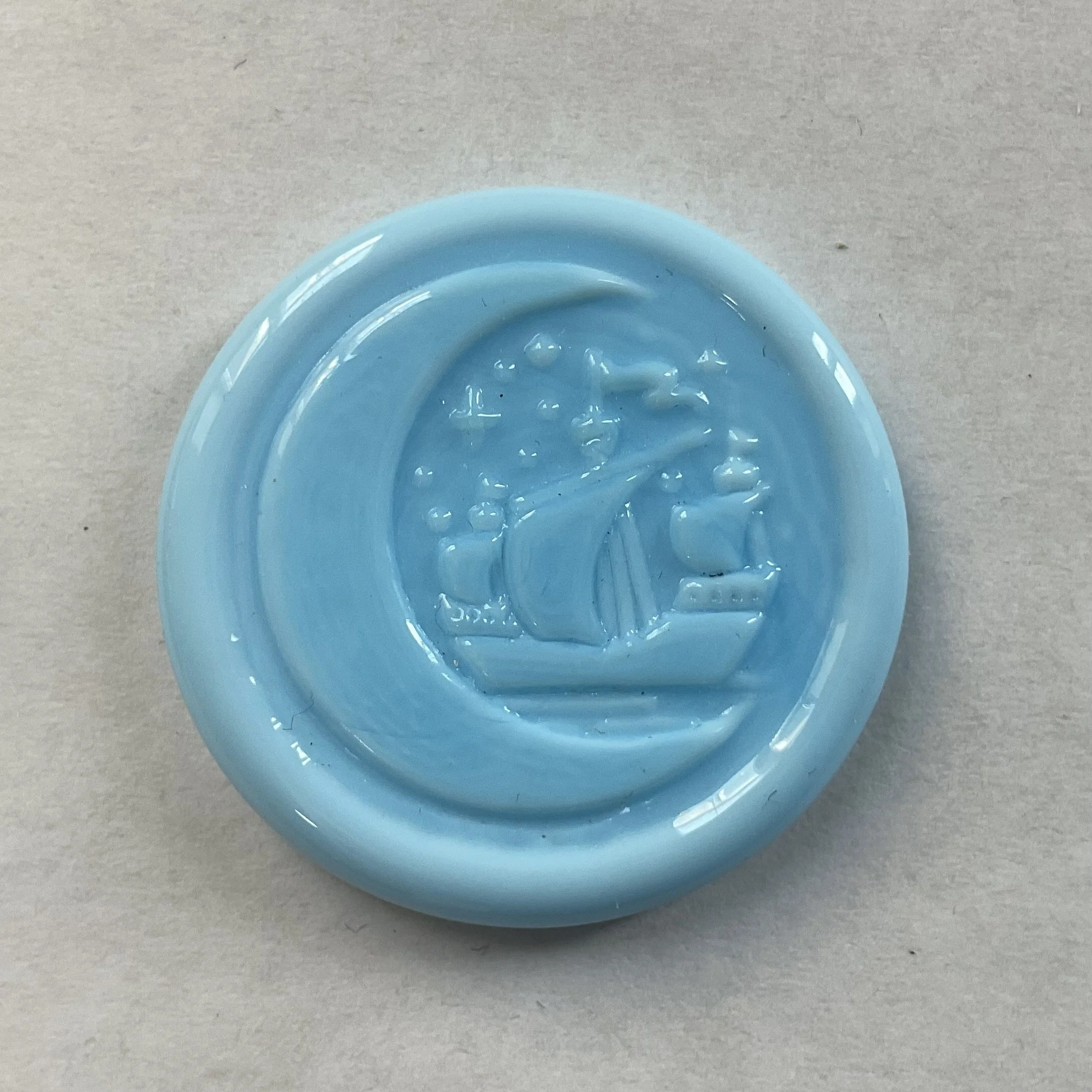
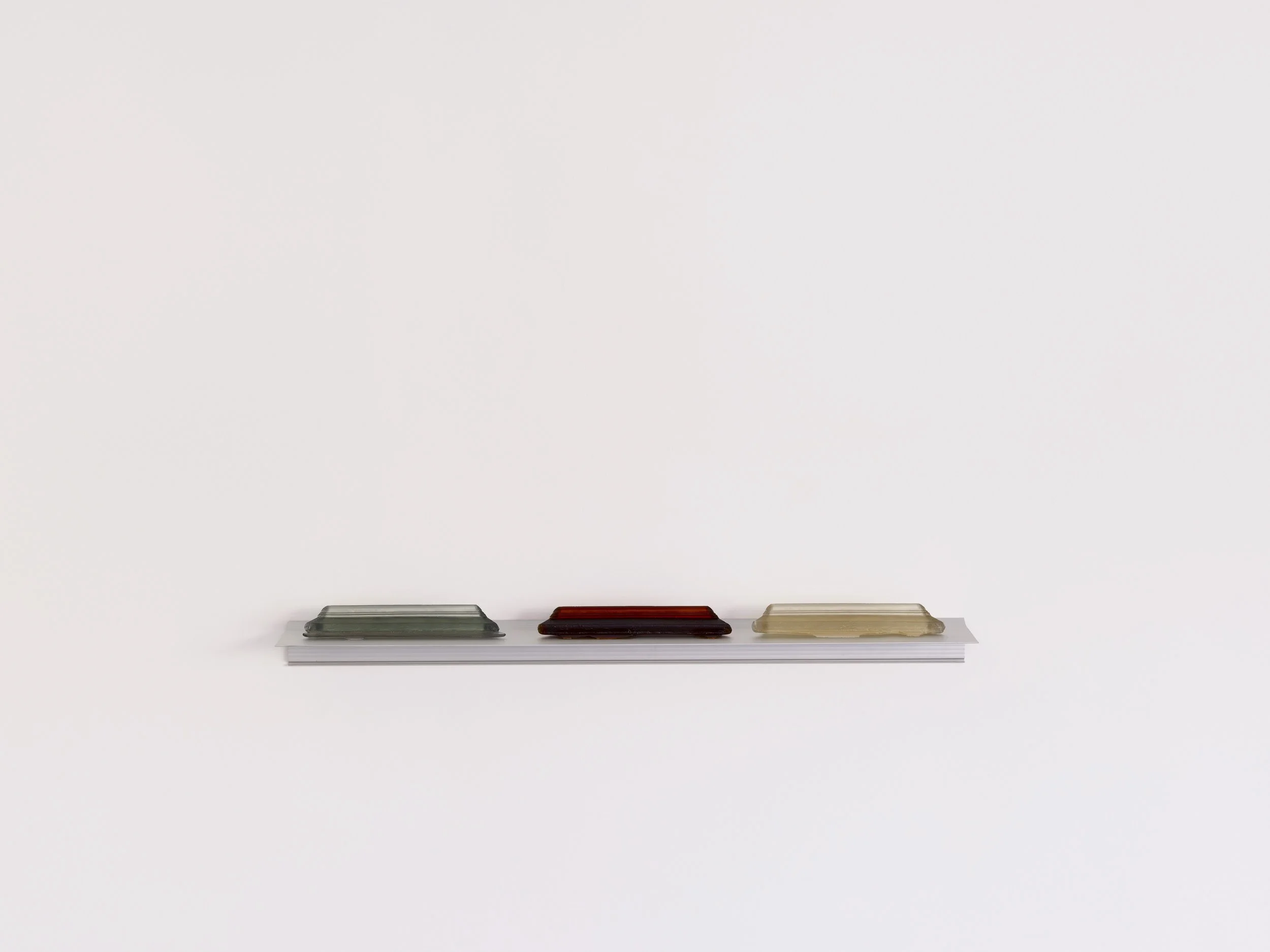
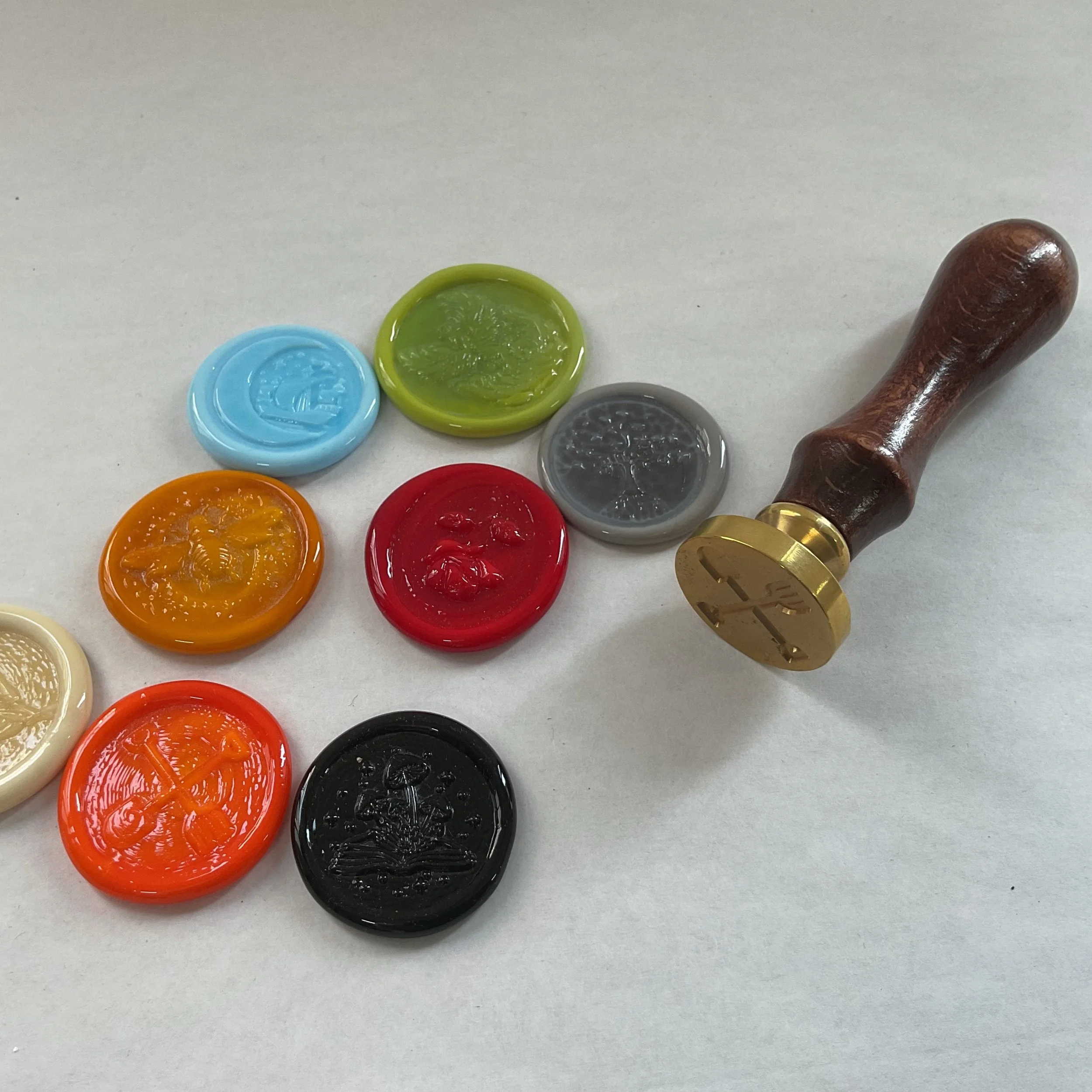
The vitrea coin project originates as a research-based investigation into the relationship between glass, value, and symbolic circulation. The work takes as its historical reference the Venetian osella, the ceremonial coin offered annually by the Serenissima to the members of the Maggior Consiglio, reinterpreting its form and function through Murano glass.

The project was realized in 2025 within the framework of Ideal City, funded through PNRR resources and developed in collaboration with Università Ca’ Foscari Venezia. In this context, the vitrea coin was conceived as both an artistic and research device, intertwining historical reflection, material production, and a contemporary inquiry into mechanisms of value.

The coin is not intended as an economic instrument but as a symbolic form. Made of glass—a material that is at once fragile and durable—the vitrea osella brings into tension seemingly opposing concepts: uniqueness and reproducibility, gift and power, permanence and transformation.

Each exemplar is handcrafted through artisanal processes that emphasize time, precision of gesture, and qualitative control. Glass, chosen for its physical and symbolic ambiguity, becomes the medium through which the coin is examined as a cultural construction prior to its economic function.

The project takes shape as an open work, articulated through multiple exemplars and iterations, and may be presented as an autonomous sculpture, an installation, or as part of a broader narrative and research dispositif. In this sense, the vitrea coin is not a finished object but a system reflecting on the processes through which value is assigned over time.

The research on the vitrea osella forms part of the broader work of Penzo+Fiore on glass as a material capable of making historical, economic, and symbolic dynamics visible. Glass does not imitate the coin: it replaces it, transforming it into a form of material thinking.

Materials

Murano glass

Presentation formats

Sculpture · Installation · Series of exemplars
Production context

Ideal City project, PNRR funding, in collaboration with Università Ca’ Foscari Venezia


E Sia

Installation, 2025 by Penzo+Fiore

E sia is an installation conceived for the exhibition Blue. The Foundations of the Spirit, presented in San Giovanni Rotondo on the occasion of the Jubilee. The work takes the form of an infiorata composed of blue flowers, conceived as a temporary, site-specific intervention that activates a direct relationship between space, color, and presence.

The work employs blue as a perceptual and symbolic field. The flowers, arranged according to a controlled yet non-rigid composition, create a walkable surface in which organic matter becomes the vehicle for a reflection on fragility, time, and transformation. The infiorata is not intended as decoration, but as a spatial dispositif that alters the perception of the place and invites a slowed, attentive form of engagement.

The installation enters into dialogue with the research of Yves Klein, particularly with his use of blue as an immaterial space and as a threshold between the visible and the invisible. In E sia, color is not applied but embodied in living matter, restoring a temporal and vulnerable dimension that stands in contrast to any notion of permanence.

The title refers to a minimal, generative formula. E sia does not assert; it opens. It introduces a condition of possibility, an acceptance of becoming. In this sense, the work operates on the relationship between gesture, material, and time, placing the individual, the community, and the site in relation through an essential language.

E sia is part of Penzo+Fiore’s ongoing research into artistic practices that connect language, material, and a spiritual dimension understood in non-confessional terms. The infiorata thus becomes an act of presence, destined to transform and disappear, leaving behind the experience of a shared space.

Materials

Blue flowers, natural elements

Presentation formats

Specific installation

Context

Exhibition Blue. The Foundations of the Spirit, San Giovanni Rotondo, 2025 Jubilee

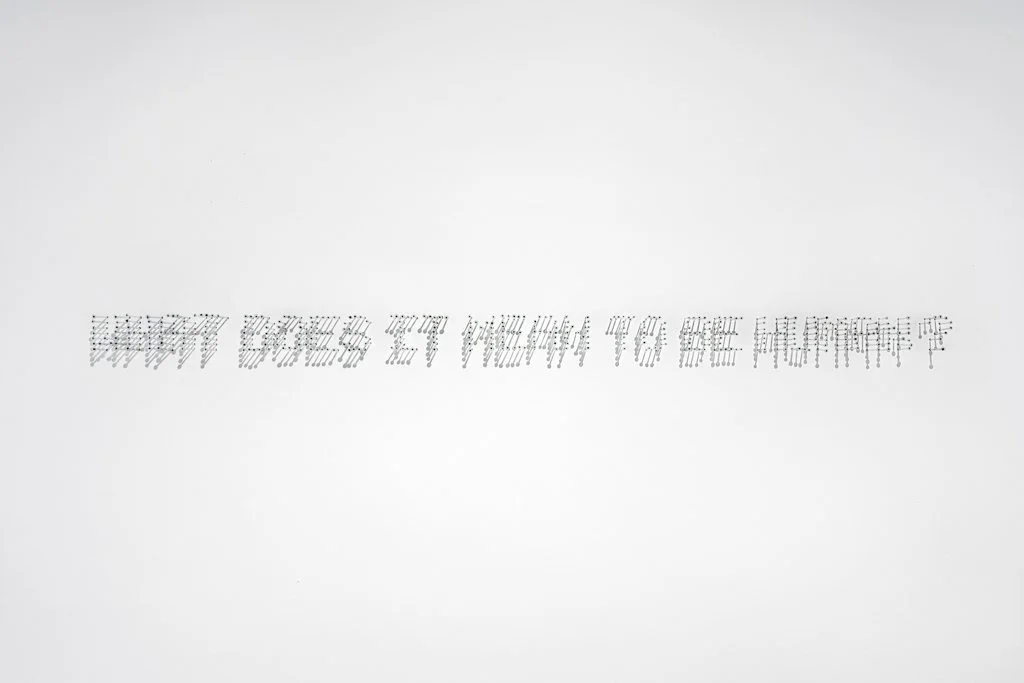
What does it mean to be human?


Murano glass installation, 2023 by Penzo+Fiore

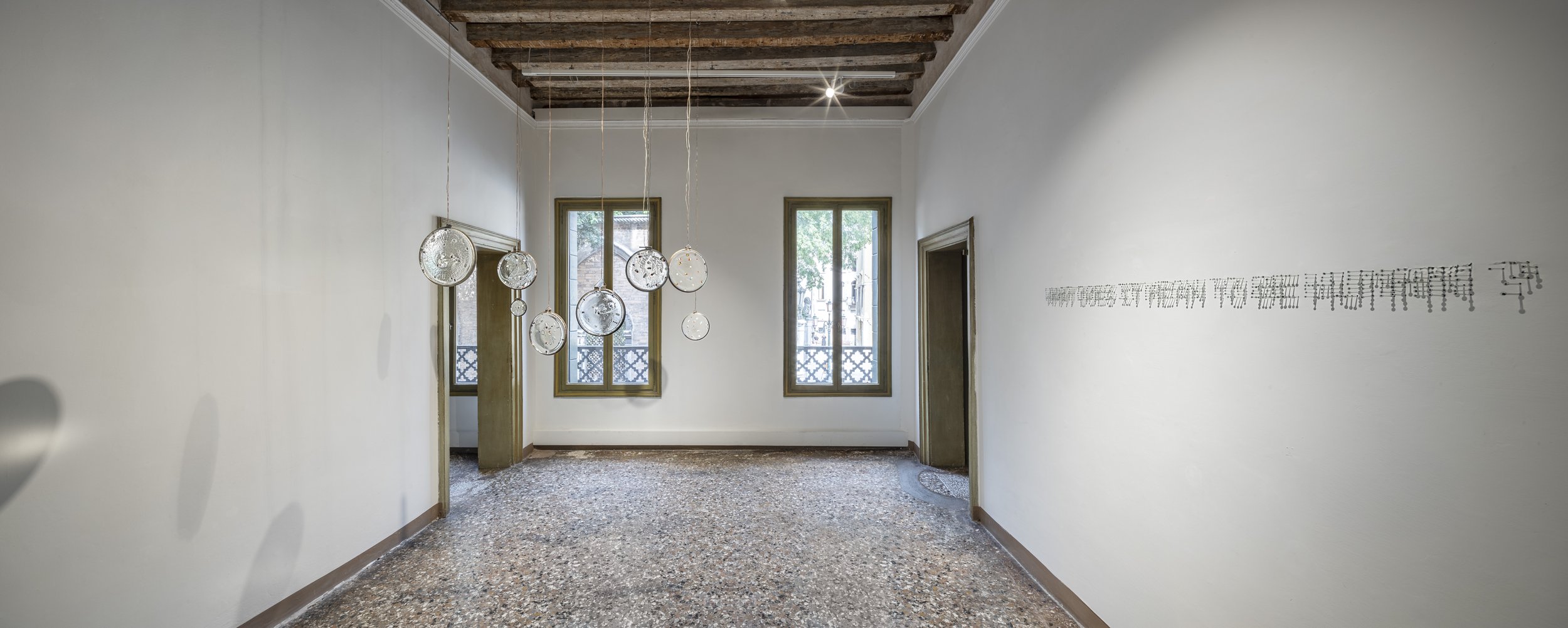
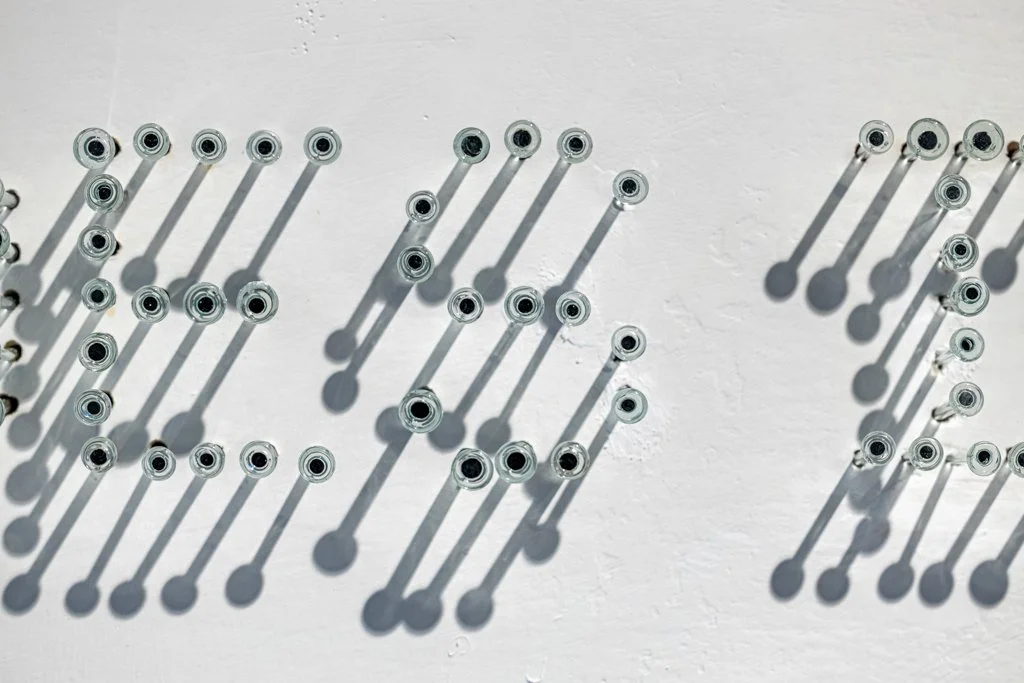
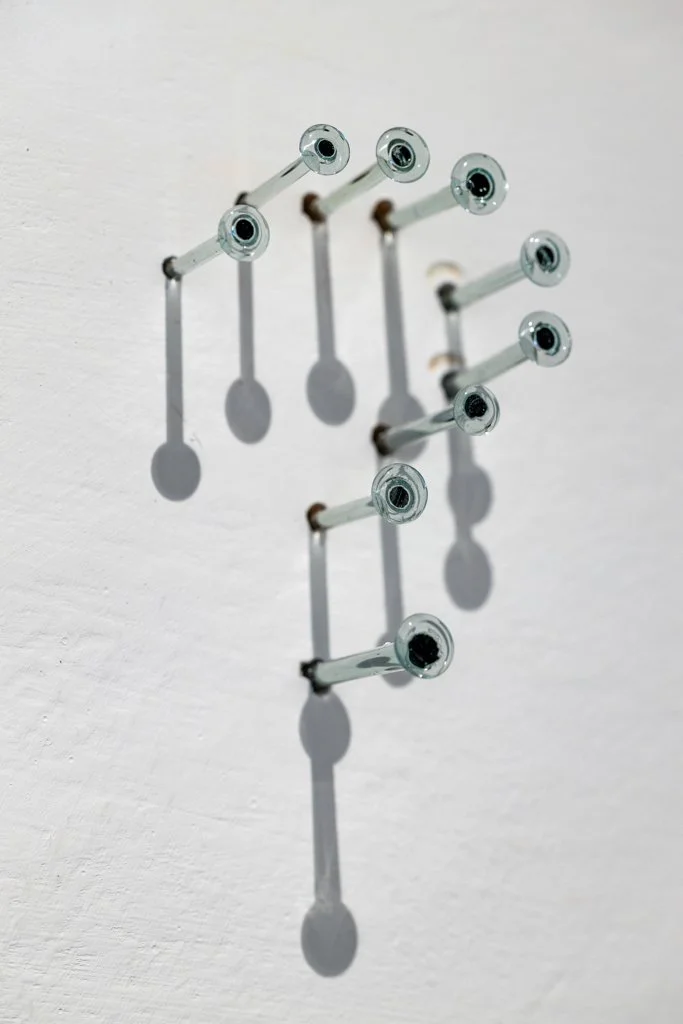
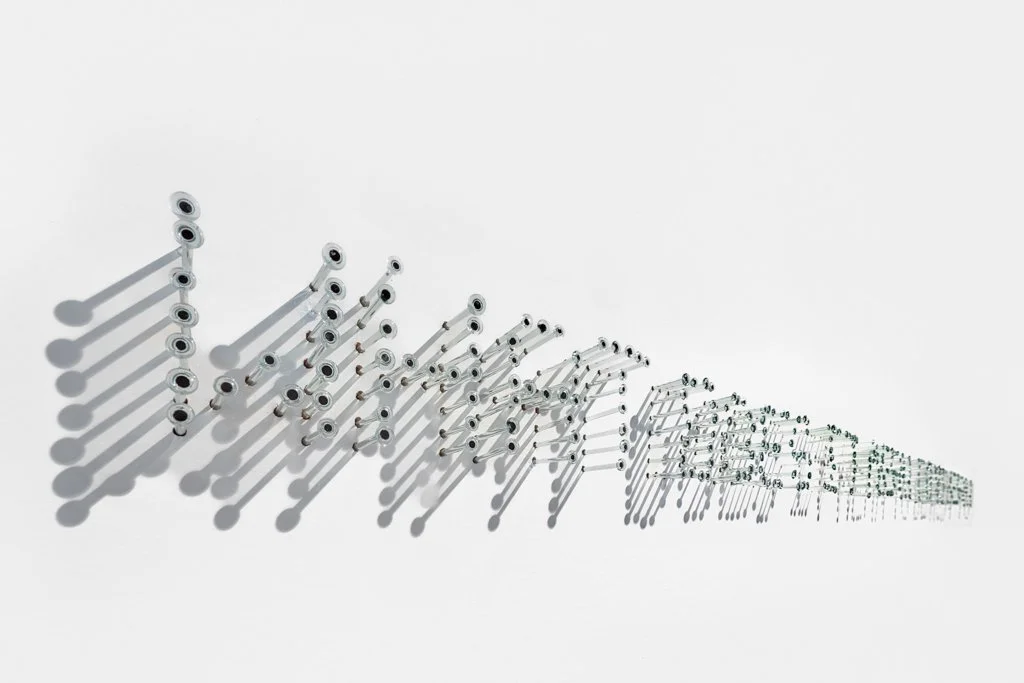
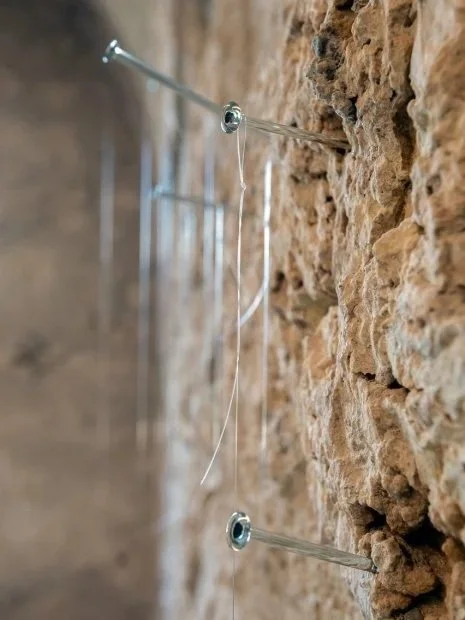
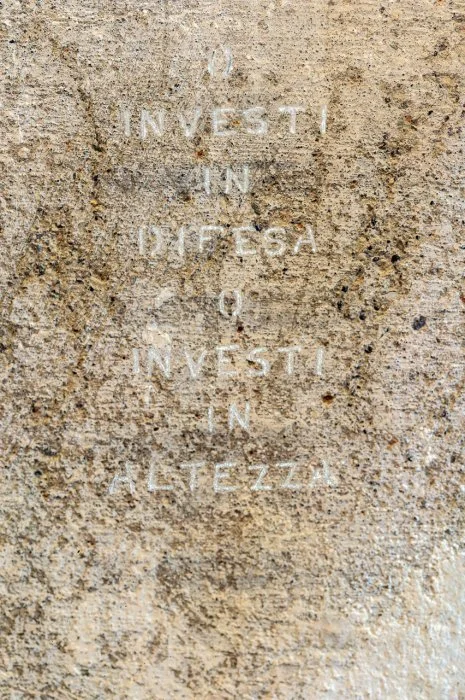
The artwork is conceived as a linguistic dispositif created entirely in Murano glass. Individual glass nails are arranged side by side to form a visual question suspended in space.

Designed and produced as part of the artistic collaboration Penzo+Fiore, the installation was first presented at the exhibition Fluid – Humanature at SPARC*, Venice, in 2023. The work marked an important step in the shared research: for the first time, the text did not declare a concept but posed an open question. Glass thus became the support of an interrogative gesture rather than an affirmative statement.

The installation draws on simple and repeatable elements rooted in the Murano tradition, transforming them into a formal system capable of dialoguing with different contexts. Each nail is handcrafted through a time-based process that emphasizes technical precision and material quality.

The strength of the work lies in its clarity: a question turned into an object through glass, intended for placement in public or private spaces, museum settings, or corporate environments, while preserving its conceptual character.

This project confirms Penzo+Fiore’s orientation toward artworks in which material and language coincide. Glass is not used to represent meaning but to embody it as the structural core of the artwork.

Materials

Handworked Murano glass, supporting structure

Context

Exhibition Fluid Matter – Humanature, Venice, 2023

Il Quarto Stato

Murano Glass Installation, 2019 by Penzo+Fiore

The project IlQuartoStato is a site-specific installation conceived through the dialogue between language, material, and exhibition space. The work uses Murano glass as a structural element, transforming a written sentence into an arrangement of glass nails, each handcrafted at the lampworking bench.

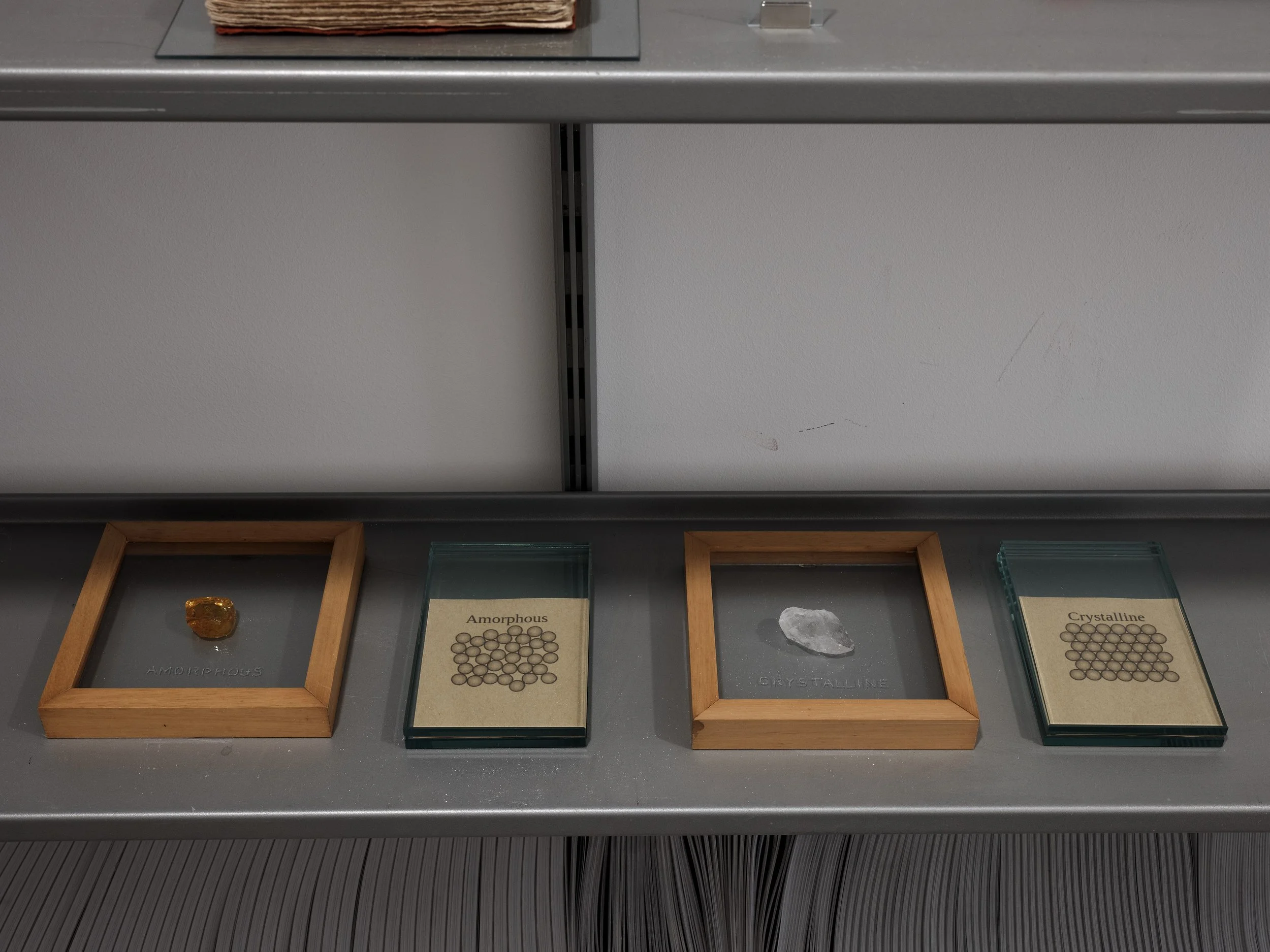
Within the research of Penzo+Fiore, glass is considered the fourth state of matter. From a physical point of view, it is a distinctive material: an amorphous solid without crystalline lattice, able to take form without becoming rigidly fixed. This technical nature of glass — stable and yet transformable — becomes the conceptual center around which the works unfold.

A large part of the duo’s practice develops in relation to the iconic painting by Pellizza da Volpedo The Fourth Estate. Installations and sculptural works, created mainly in glass, adopt that visual framework to produce a reading of the present. Through Murano glass, the work reflects on contemporary society as a space in which collective and individual identity are increasingly difficult to locate.

The installation was first presented in 2019 at Galleria Massimodeluca, Mestre, within the urban and cultural context of the M9 district. In this setting, writing was interpreted as a three-dimensional gesture. The sentence becomes a visual body and conceptual device, capable of inhabiting different spaces without assuming a decorative role.

Each element of the artwork is produced individually through an artisanal process that requires precision, repetition, and qualitative control. The work does not illustrate a predetermined message but makes visible the coincidence between material and language through the time of making and attention to detail.

IlQuartoStato continues a long-term research of the duo on texts created with glass nails.

Materials

Handworked Murano glass

Context

Solo exhibition, Galleria Massimodeluca, Mestre, 2019


time

Chandelier / sculpture / installation / performance, 2018 by Penzo+Fiore

produced by Berengo Studio and Marina Bastianello Gallery

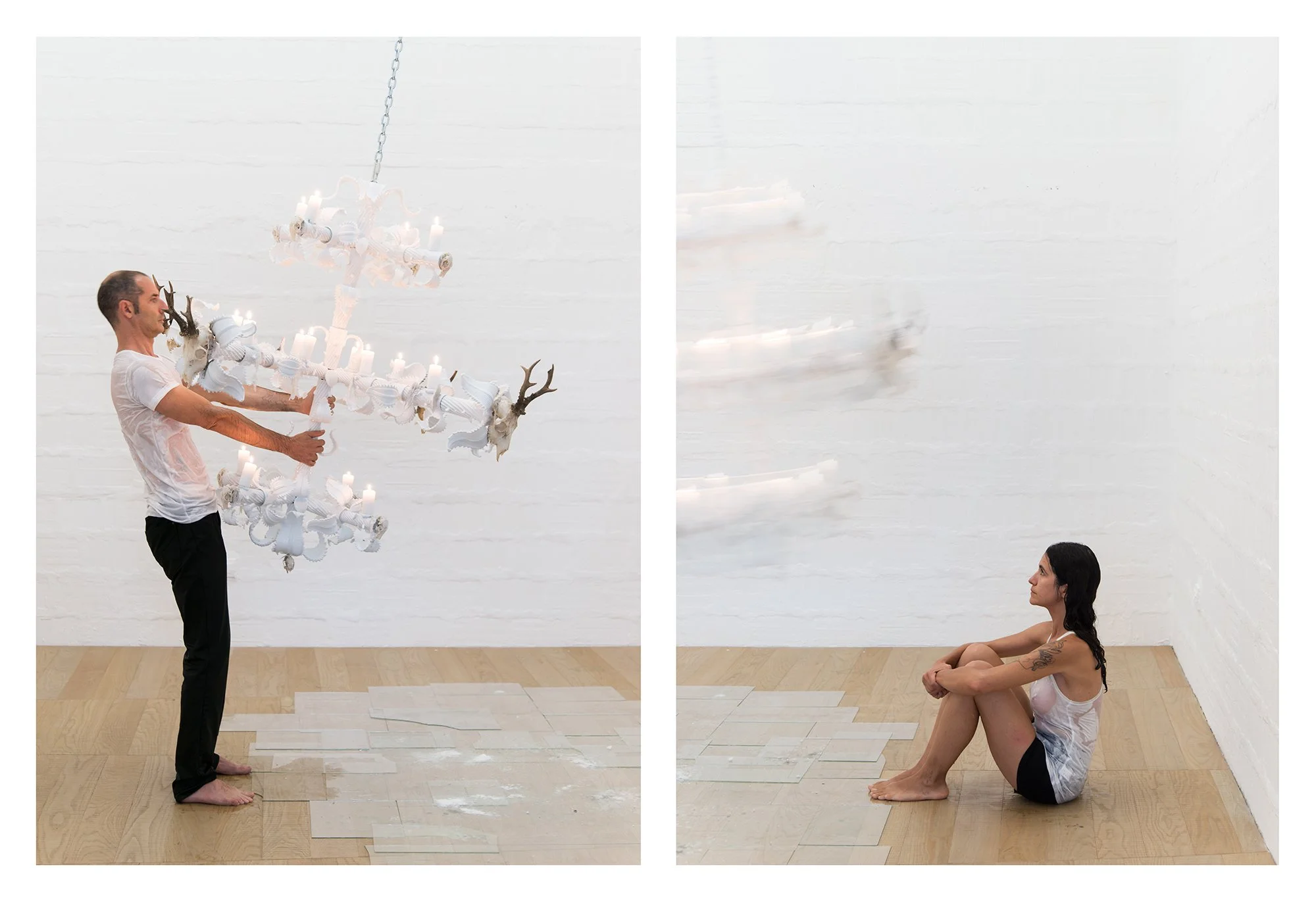
Time is a modular work conceived as a chandelier and activated in different forms: as an autonomous sculpture, as an installation, and as a performative action. The work is structured around a suspended body made of Murano glass, conceived not as a functional object but as a sculptural dispositif capable of transforming in relation to space and context.

The composition integrates Murano glass with organic materials (skulls and wax), while keeping glass as the structural core of the work. The chandelier can be presented as an autonomous body, as a non-assembled installation, or activated performatively, emphasizing its unstable nature—crossed by gravity, movement, and time.

In its performative version, Time is set in motion by the input of a performer, causing it to oscillate toward a second performer. The latter articulates a long countdown, naming the years that move backward from the present moment of the action to the birth year of the oldest person still alive at the time the performance is carried out. Time is not symbolically represented but physically traversed as measure, rhythm, and tension between two bodies and a suspended object.

The work was realized in Venice in 2018 and subsequently presented in different exhibition and institutional contexts, maintaining a consistent conceptual framework while adapting to diverse spatial conditions.

Time foresees the production of multiple exemplars, preserving the formal dispositif and the production process.

Materials

Murano glass, wax, skulls; suspension structure

Presentation formats

Sculpture (chandelier presented as an autonomous body) ·

Installation (in relation to the space) ·

Performance (work activated through movement and countdown)

Context / Presentations

– Glasstress Boca Raton 2021, Boca Raton Museum of Art, USA

– Premio Combat, 2019

– Galleria Massimo De Luca, Mestre, 2018

gravità

Installation, 2018 by Penzo+Fiore

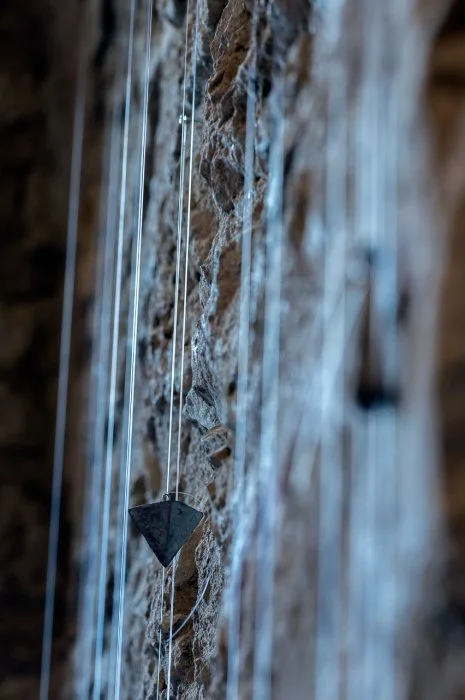
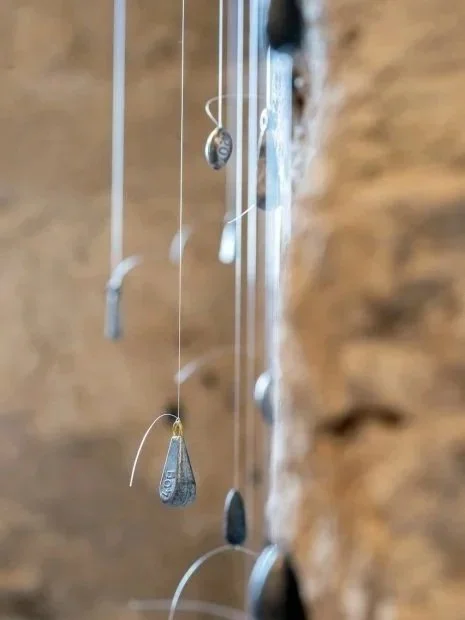
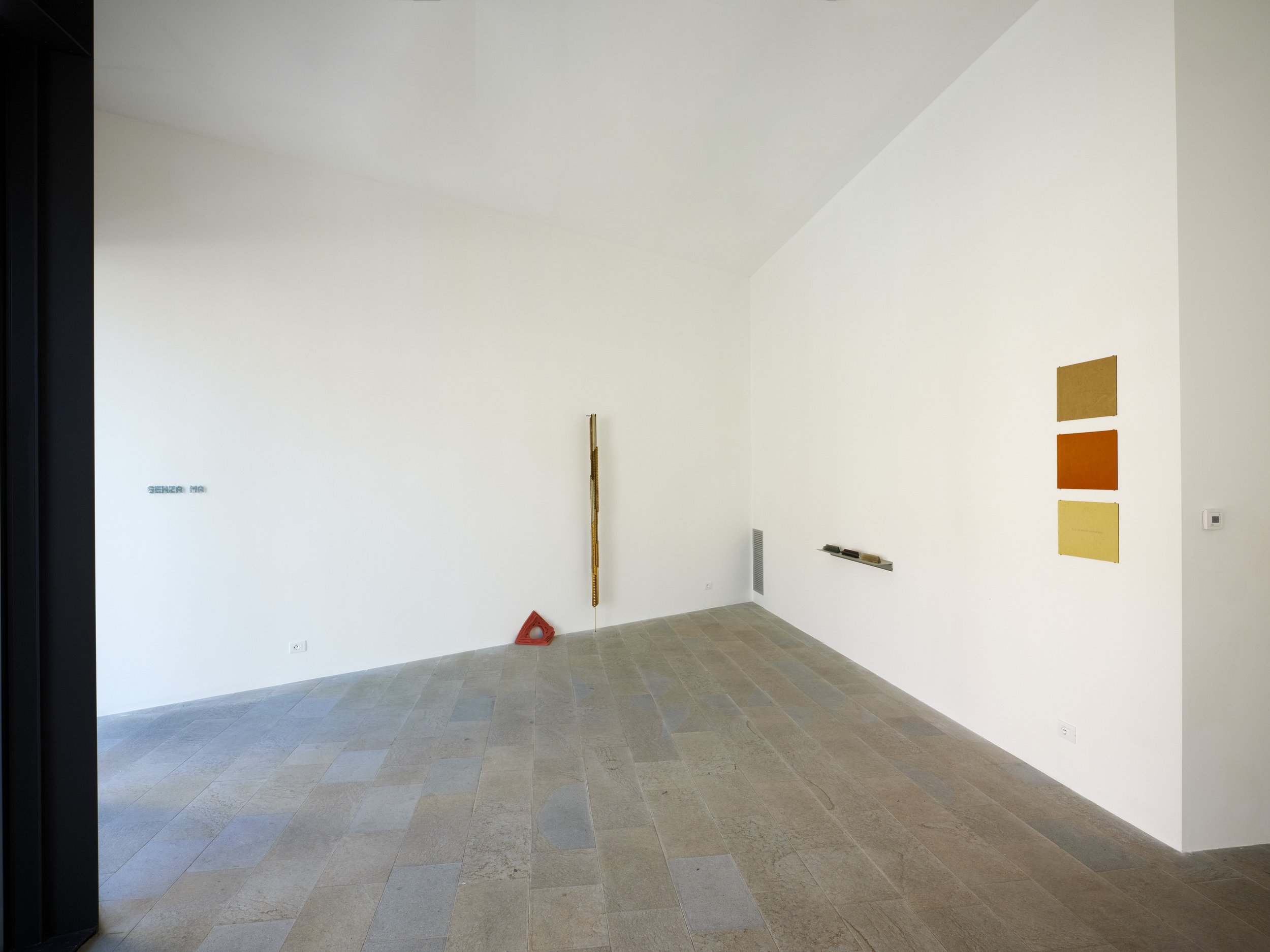
Gravity is an installation conceived for the Brain Tooling project by Dolomiti Contemporanee, in which Murano glass is employed as a structural element to make a primary physical condition visible: the tension generated by weight and suspension. The work is built around a glass nail that functions as a point of balance and resistance, bringing material, force, and precariousness into relation.

In this work, glass—an apparently fragile material capable of sustaining loads and stresses—is not used as a surface or cladding, but as a load-bearing axis. In Gravity, form does not precede function: the configuration of the work in space is determined by the dynamic relationship between weight, traction, and material.

The installation does not represent gravity; it activates it. Time becomes an implicit factor: each element is subjected to a condition of continuous tension, making equilibrium perceptible as a temporary and reversible state. Glass holds this condition without resolving it, keeping risk visible as an integral part of the form.

Gravity is part of Penzo+Fiore’s long-term research on glass as a material capable of rendering invisible forces and non-narrative processes legible. In continuity with other works based on nails and suspended structures, the installation affirms a practice in which glass is not an illustrative medium, but a physical and conceptual device.

Materials

Murano glass, load and suspension elements

Presentation formats

Site-specific installation · Autonomous work in relation to space
Context / Presentations

Brain Tooling project, Dolomiti Contemporanee, 2018