APPLIED PROJECTS
Applied Projects brings together collaborations in which material knowledge and artistic thinking are integrated into production processes
Andrea Penzo develops prototypes and production processes for international fashion houses through a methodology that integrates artistic research, technical expertise, and material responsibility. Each collaboration begins with an in-depth dialogue aimed at understanding not only aesthetic requirements, but also conceptual positioning, timelines, and production constraints.
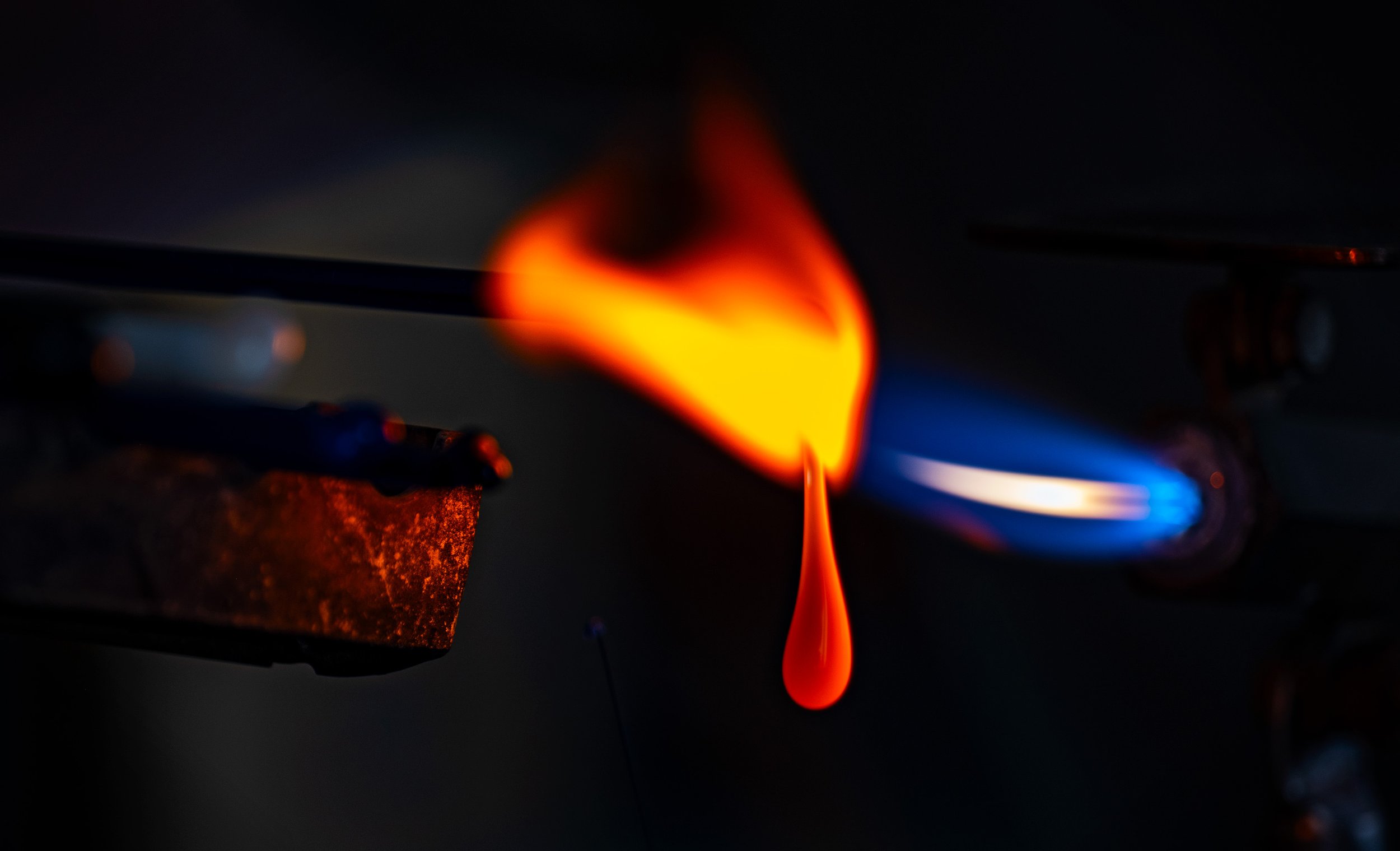
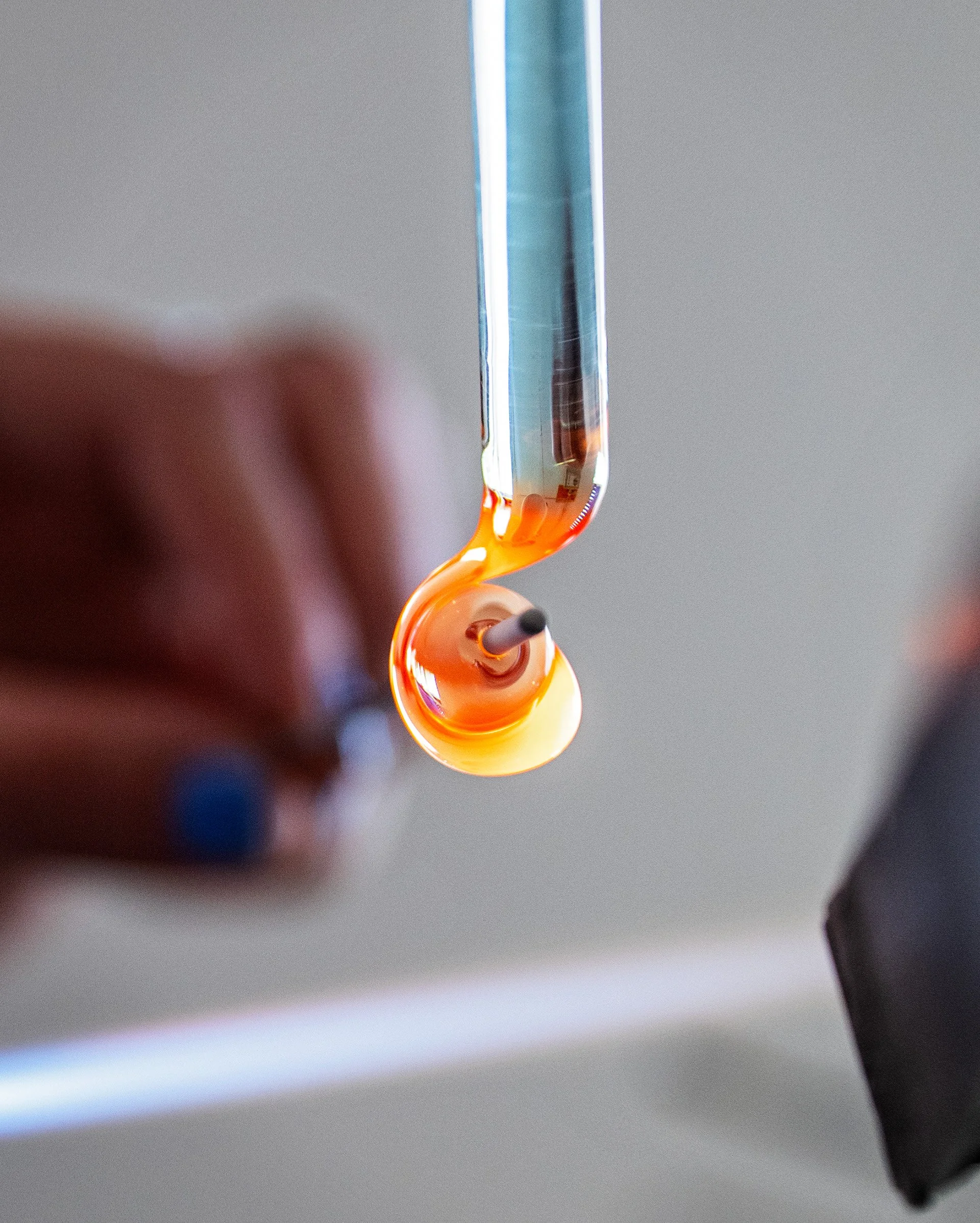
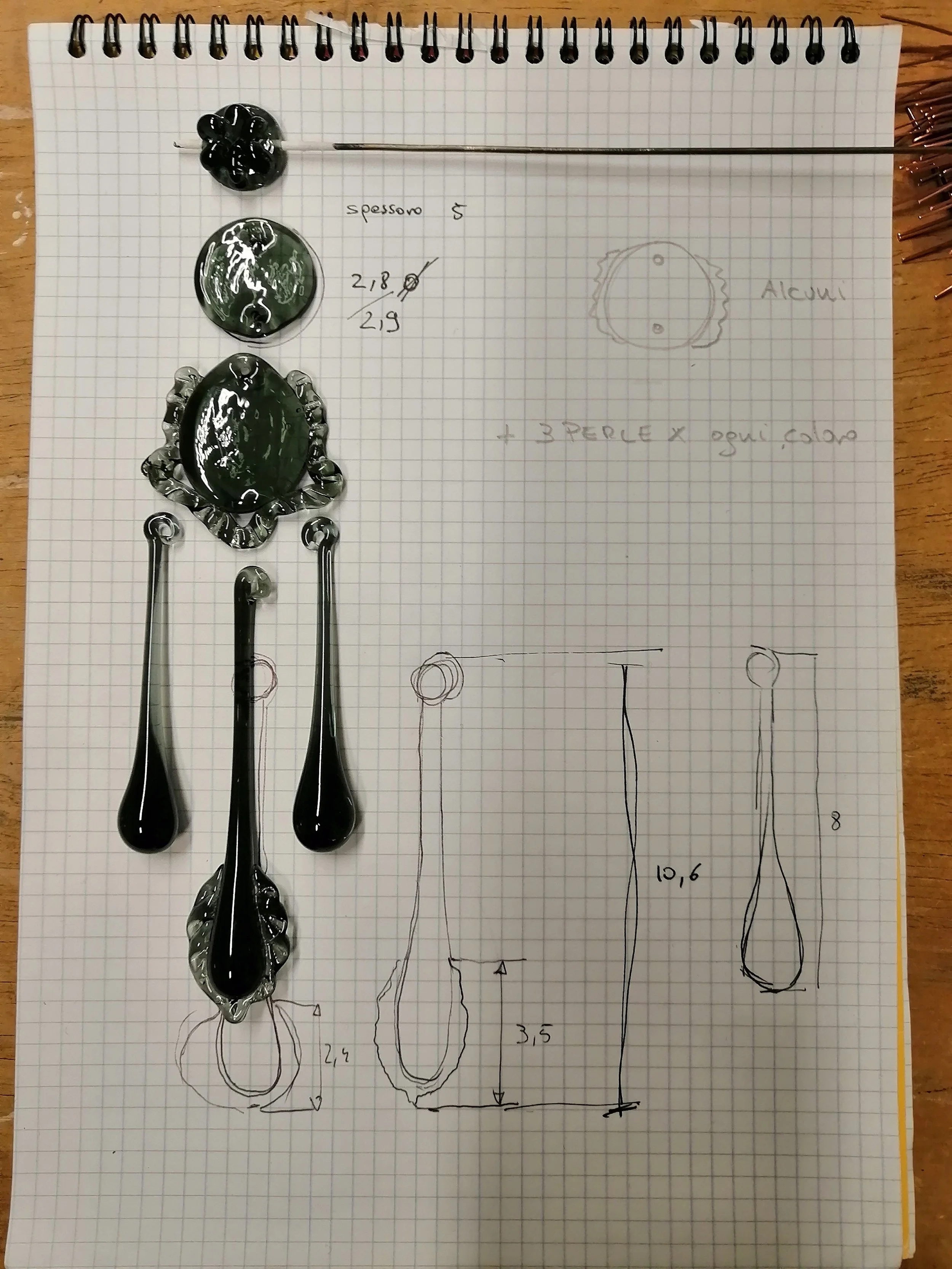
Prototyping is treated as a critical phase, rather than a preliminary step. Glass is explored through iterative testing, material trials, and formal adjustments, allowing objects to emerge through progressive refinement. This phase makes visible the limits and possibilities of the material, ensuring that technical feasibility and conceptual coherence evolve together.
Production is approached with the same rigor. Rather than translating predefined designs into glass, forms and solutions are adapted to the specific behavior of Murano glass, respecting its physical properties, timing, and structural constraints. Precision and qualitative control remain central, particularly when working on limited series or multiple exemplars.
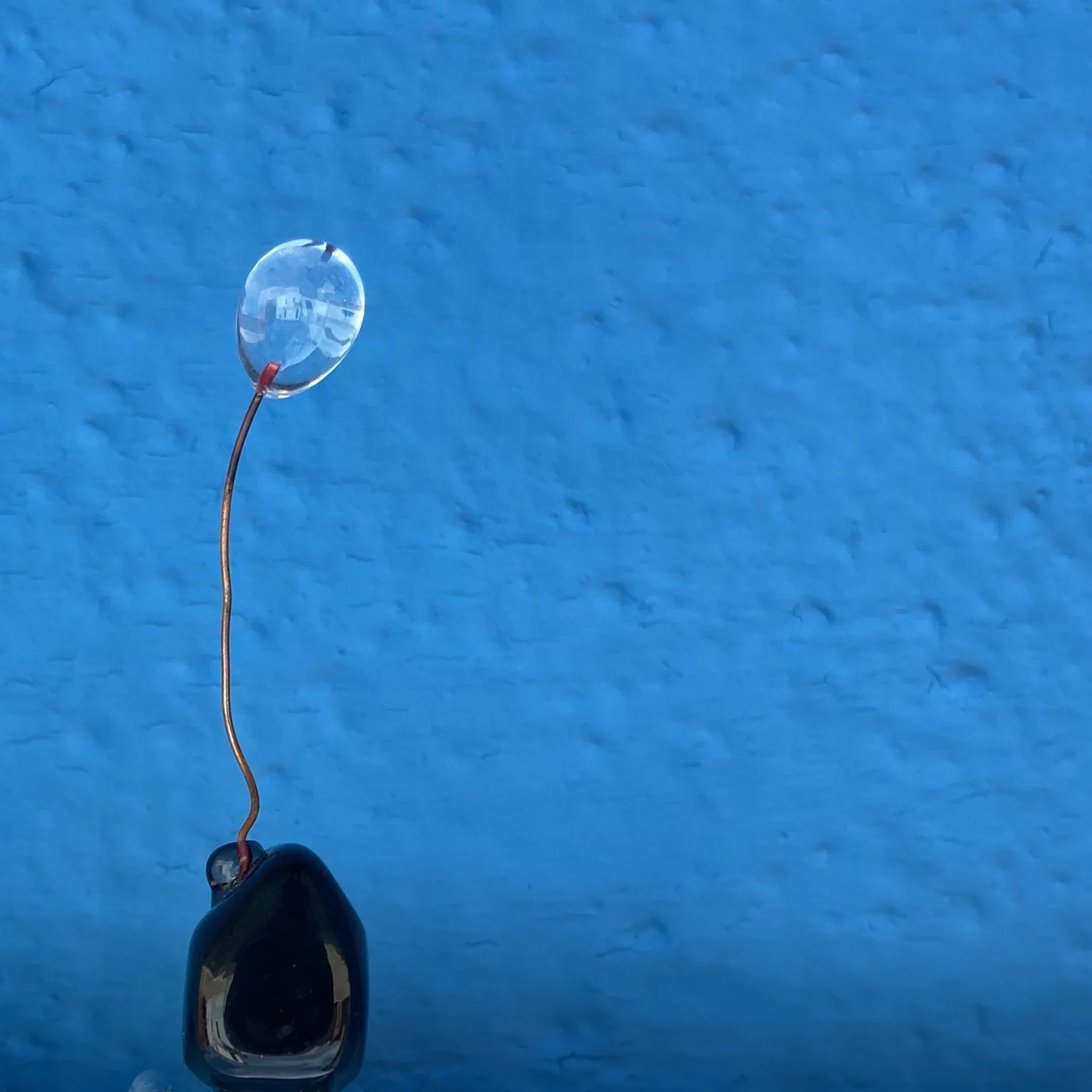
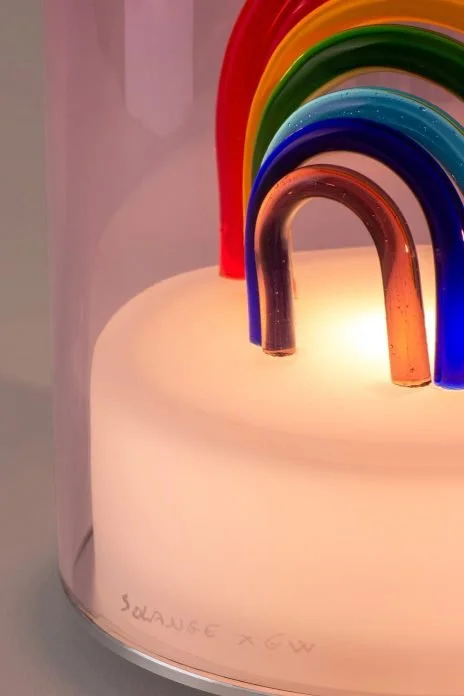
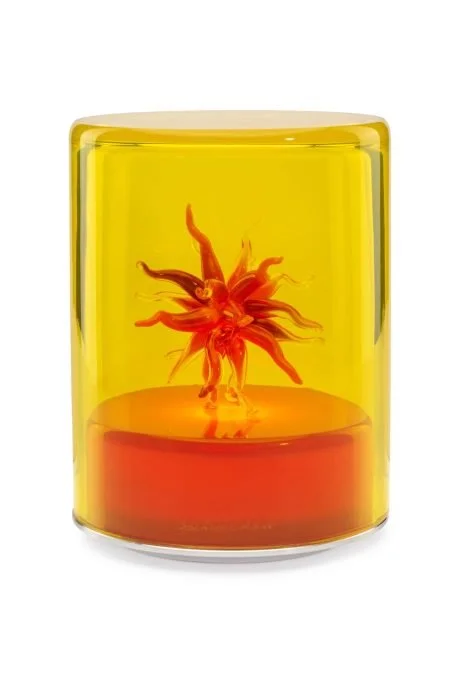
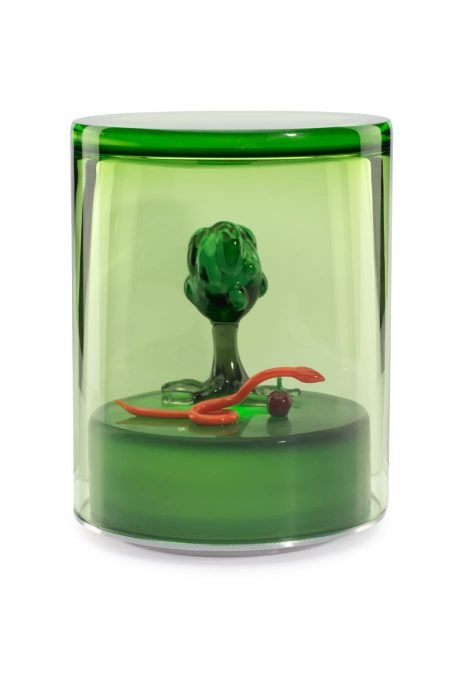
Green Wolf - Design by Solange Azagury Partridge
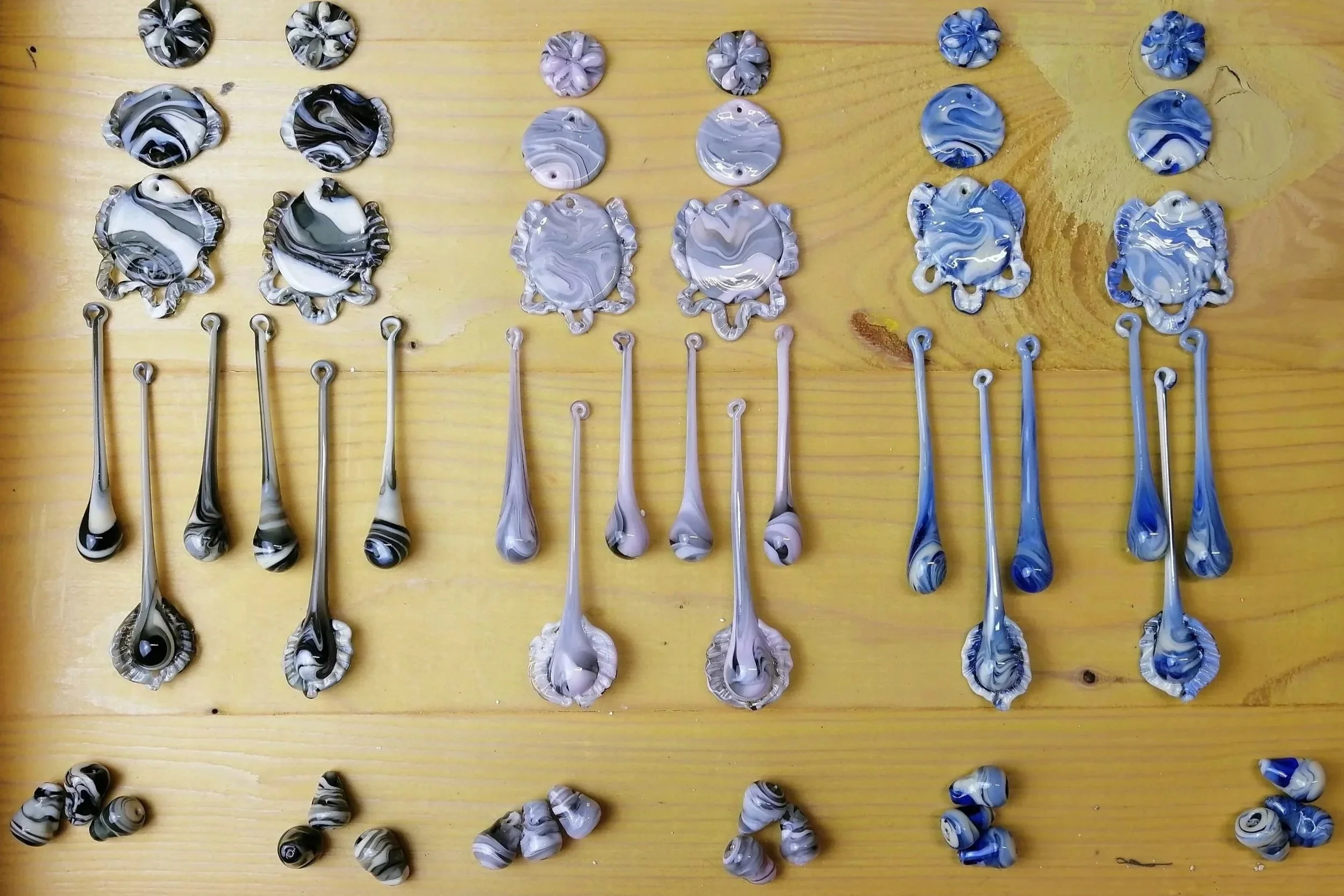
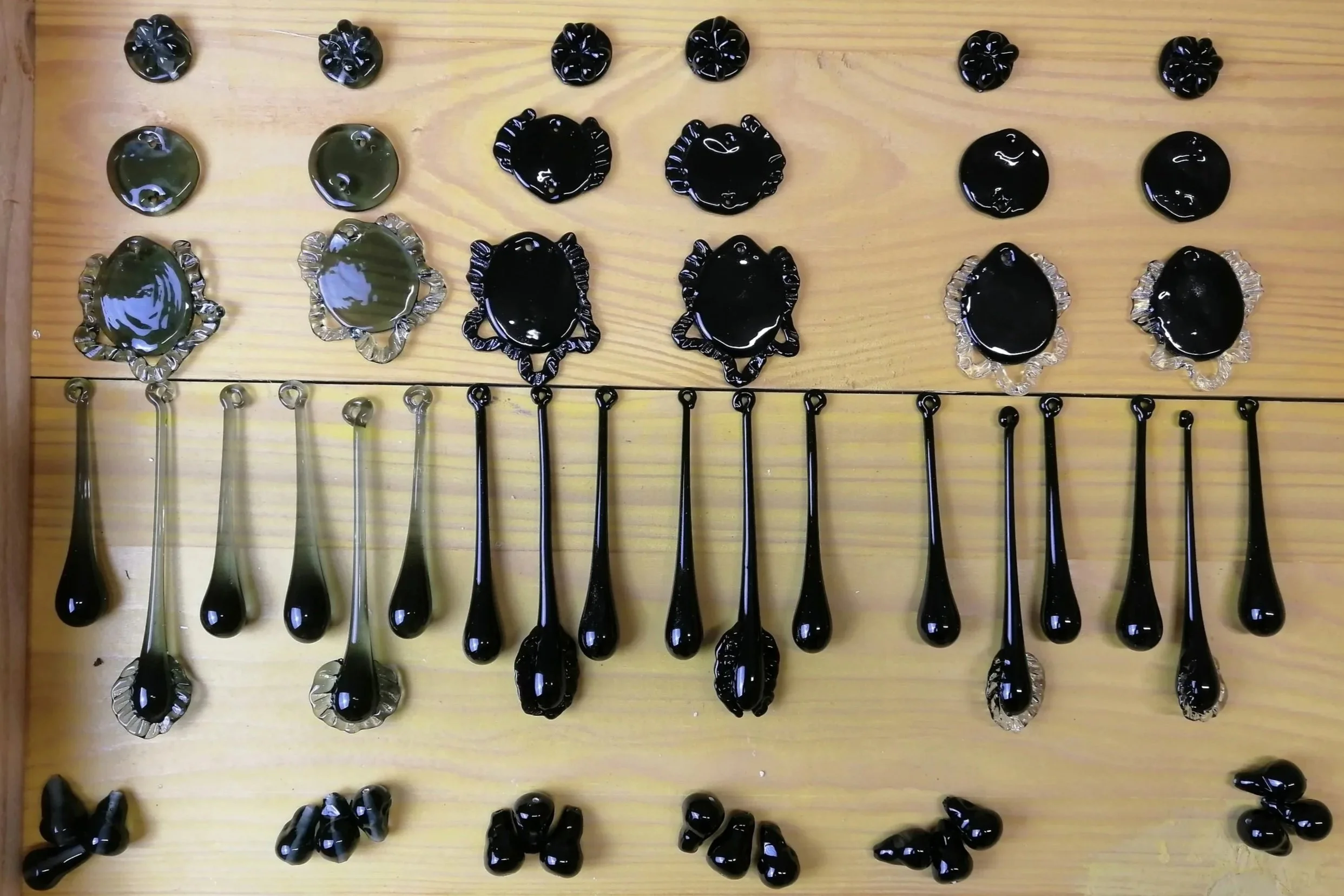
The collaboration with Green Wolf is grounded in a shared approach to material research and production, where design intent and technical development evolve in close relation. Andrea Penzo contributed to the development of glass components conceived as functional, structural elements integrated within a broader production system.
The work focused on prototyping and material testing, adapting forms and solutions to the specific behavior of Murano glass. Rather than translating predefined designs into glass, the process involved continuous dialogue between design requirements and material constraints, allowing objects to emerge through progressive refinement.
Particular attention was given to precision and quality control, ensuring consistency across multiple exemplars without compromising material integrity.
Collaboration with Fendi and Dior
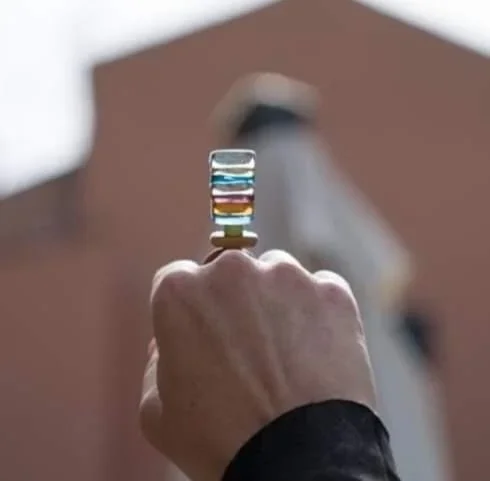
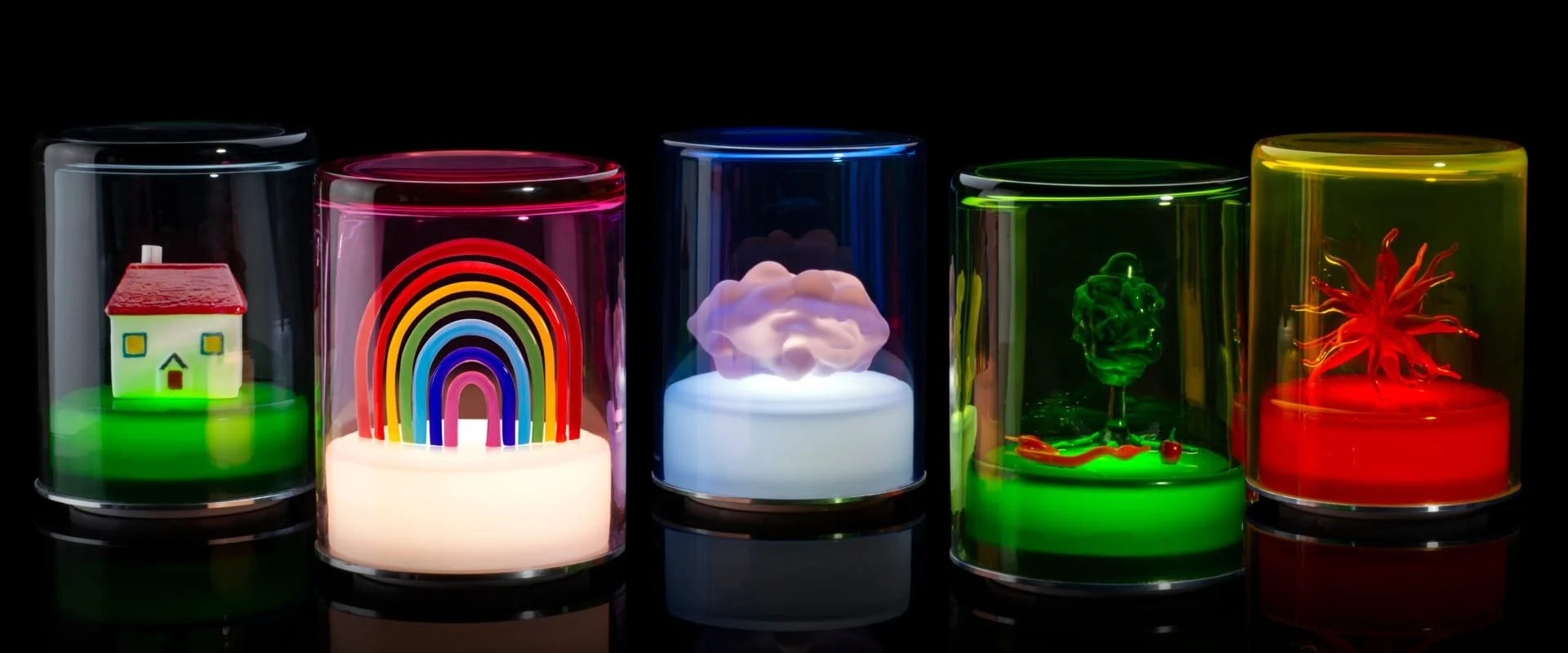
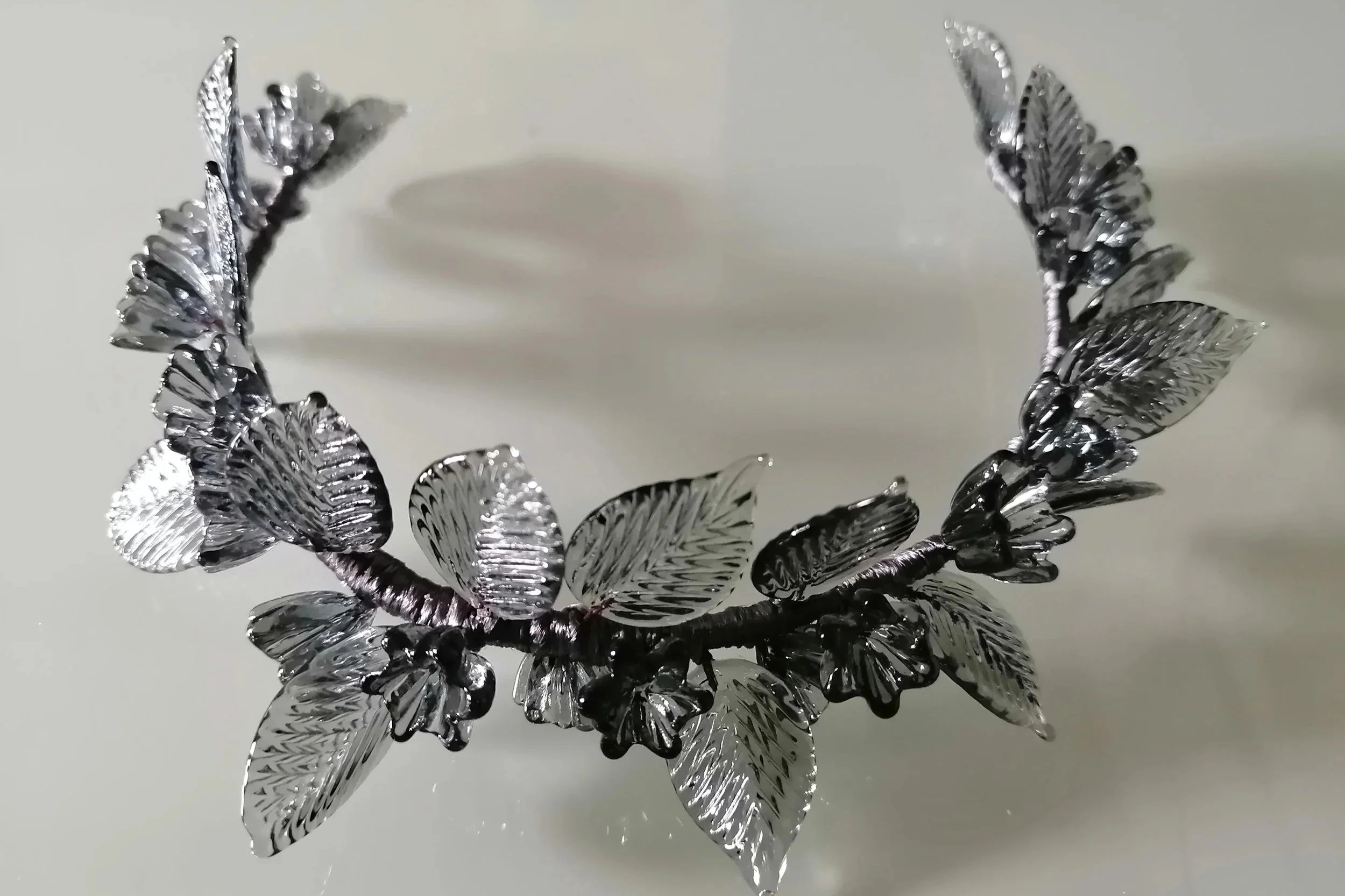
Collaborations with international fashion houses such as Fendi and Dior are conceived as shared research paths. The objective is not decoration, but the development of objects that maintain a strong identity while integrating seamlessly into complex production and communication ecosystems.
Artistic thinking and industrial requirements coexist without hierarchy. Prototypes and final productions result from processes in which material knowledge, design intent, and execution remain aligned from concept to realization.
watch the video
Collaboration with Le Amadriadi
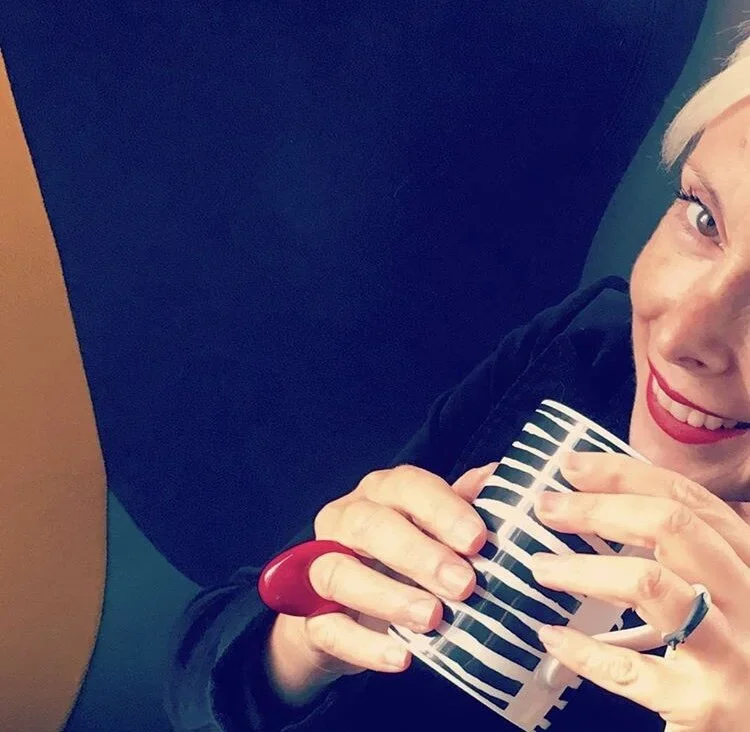
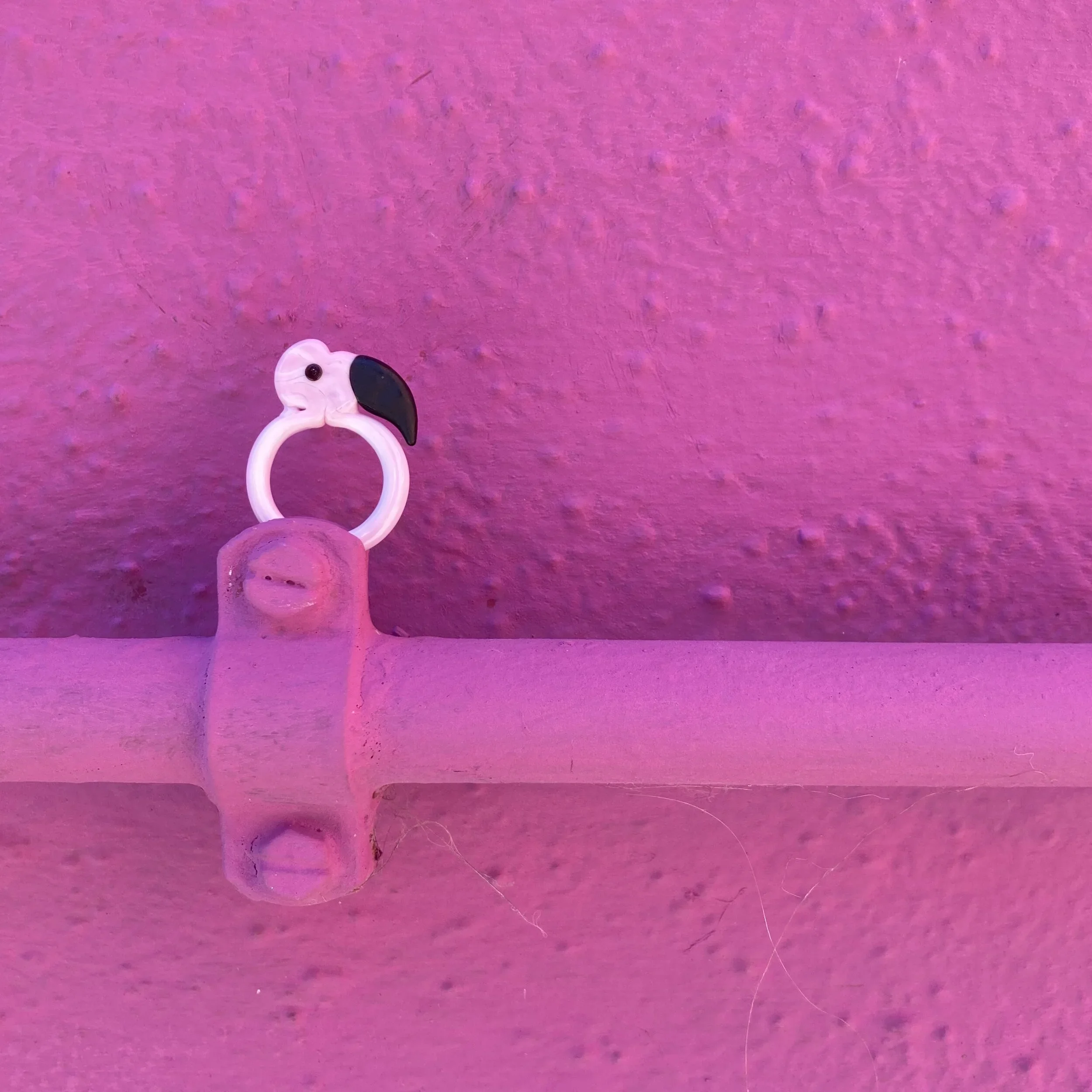
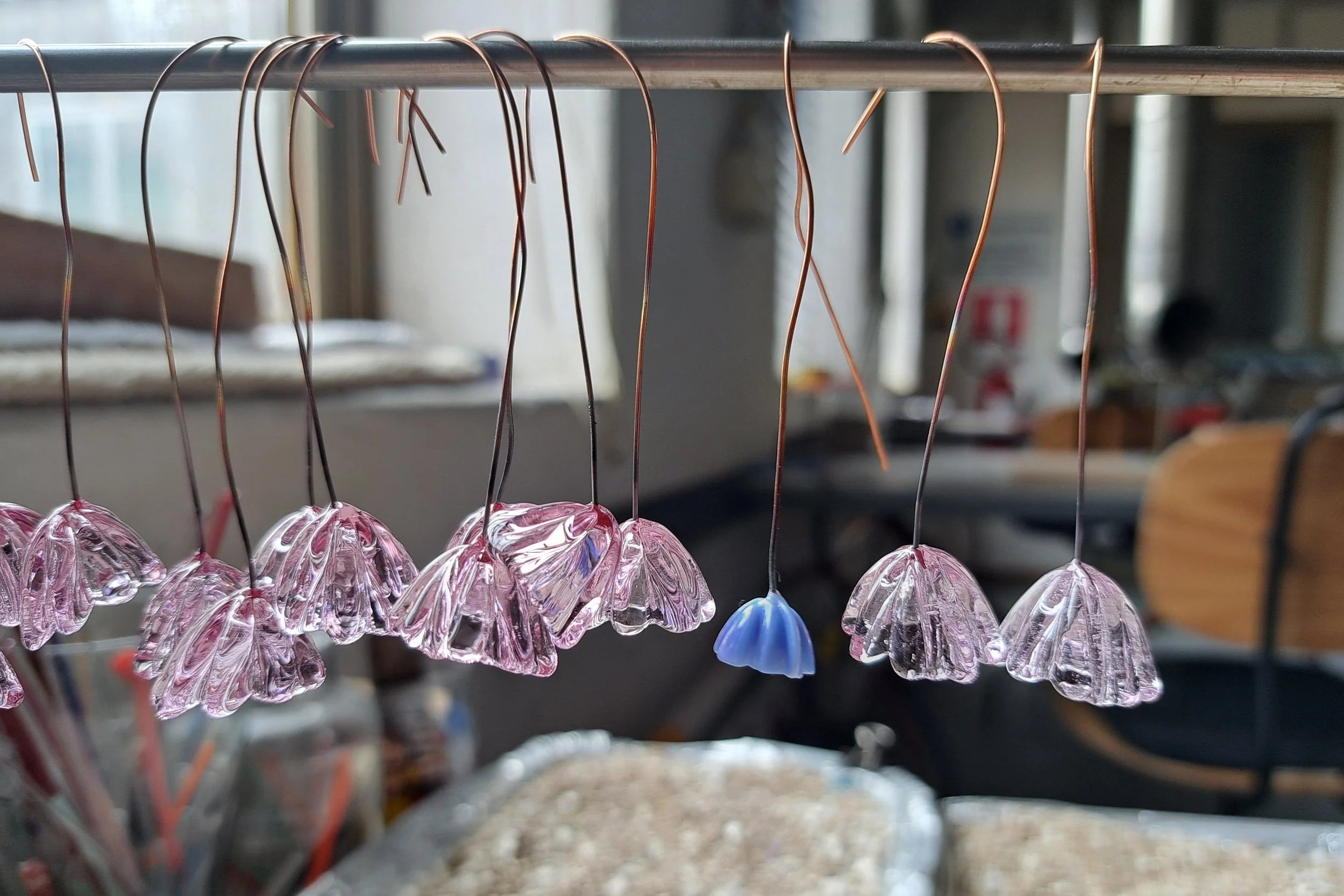
The collaboration with Le Amadriadi, founded by Roberta Anita Maria Pedrazzani, develops within an independent production framework, where design emerges from direct engagement with material, gesture, and time.
Andrea Penzo’s contribution focused on the realization of Murano glass elements conceived as essential components of the project, integrated into an existing system of forms and materials. The collaboration privileged a contained scale and a slow working rhythm, based on prototyping, successive verification, and close attention to production quality.
This project exemplifies a mode of collaboration grounded in proximity between practices, where expertise in Murano glass integrates with an autonomous design vision, resulting in objects in which research, craftsmanship, and brand identity remain closely aligned.