ART PRACTICE
Art Practice brings together works in which glass operates as a material, structural, and conceptual device.
Andrea Penzo’s art practice focuses on glass as a critical, material, and conceptual device.
Glass is not treated as a neutral medium, but as a system shaped by history, labor, value, and cultural economies.
The work originates in Murano, understood not as an identity or heritage to be preserved, but as a field of tension in which traditional knowledge, contemporary art, and global transformations intersect.
Within this framework, glass becomes a material through which to question production processes, symbolic value, and the responsibilities embedded in making.
The practice unfolds through sculptural works, installations, and research-based projects.
Rather than producing autonomous objects, the works often function as dispositifs: they activate relationships between material, context, memory, and circulation, and are developed through long-term processes rather than isolated gestures.
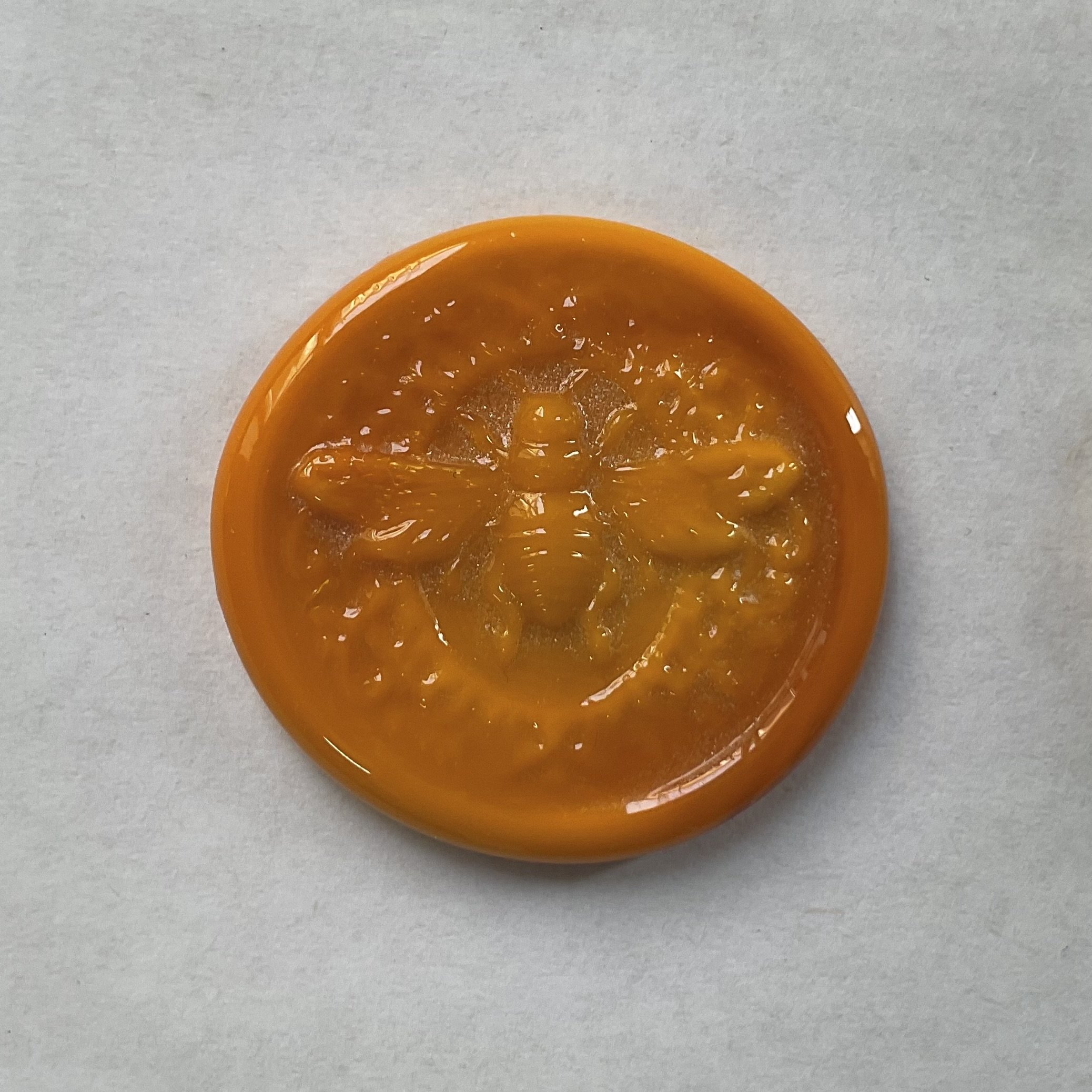
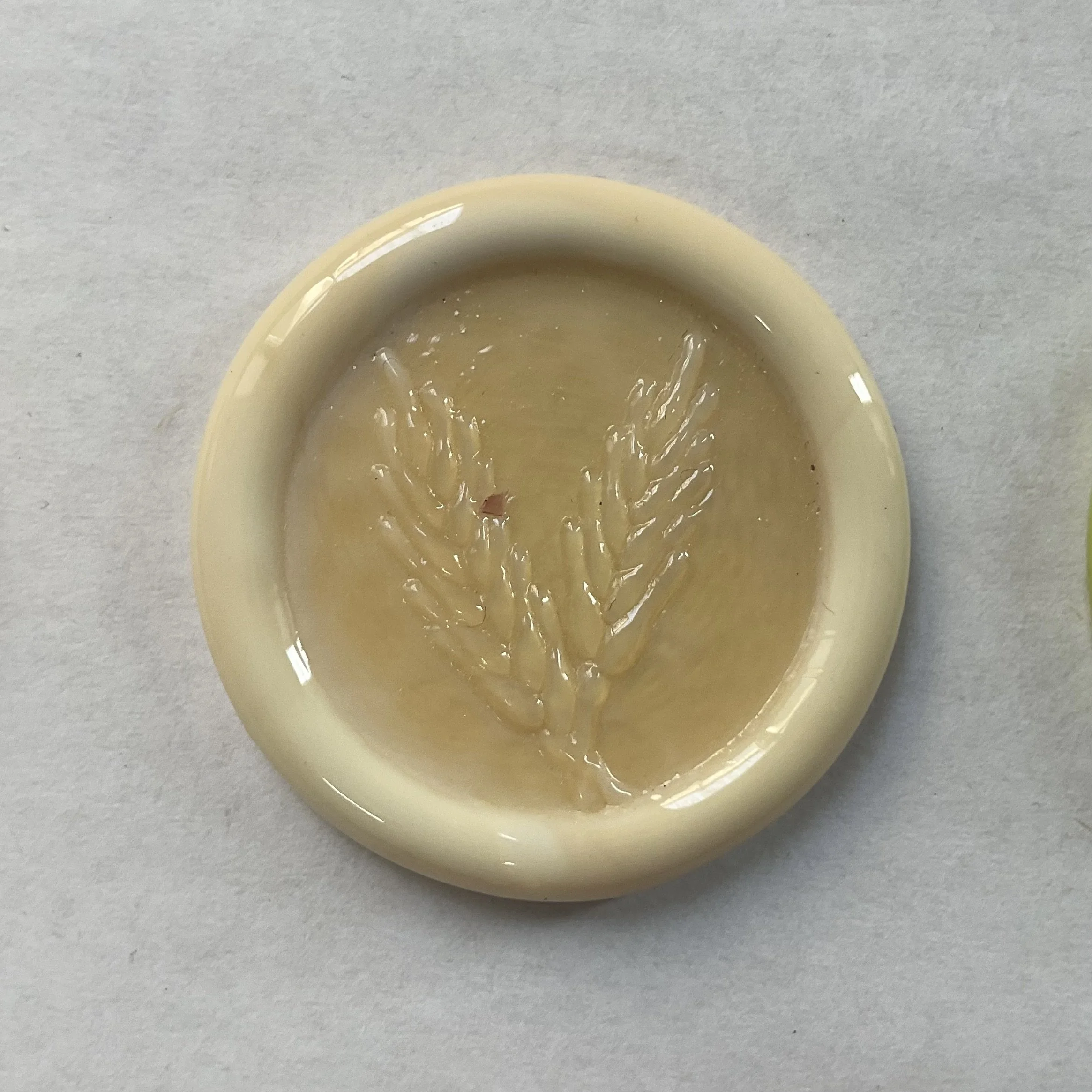
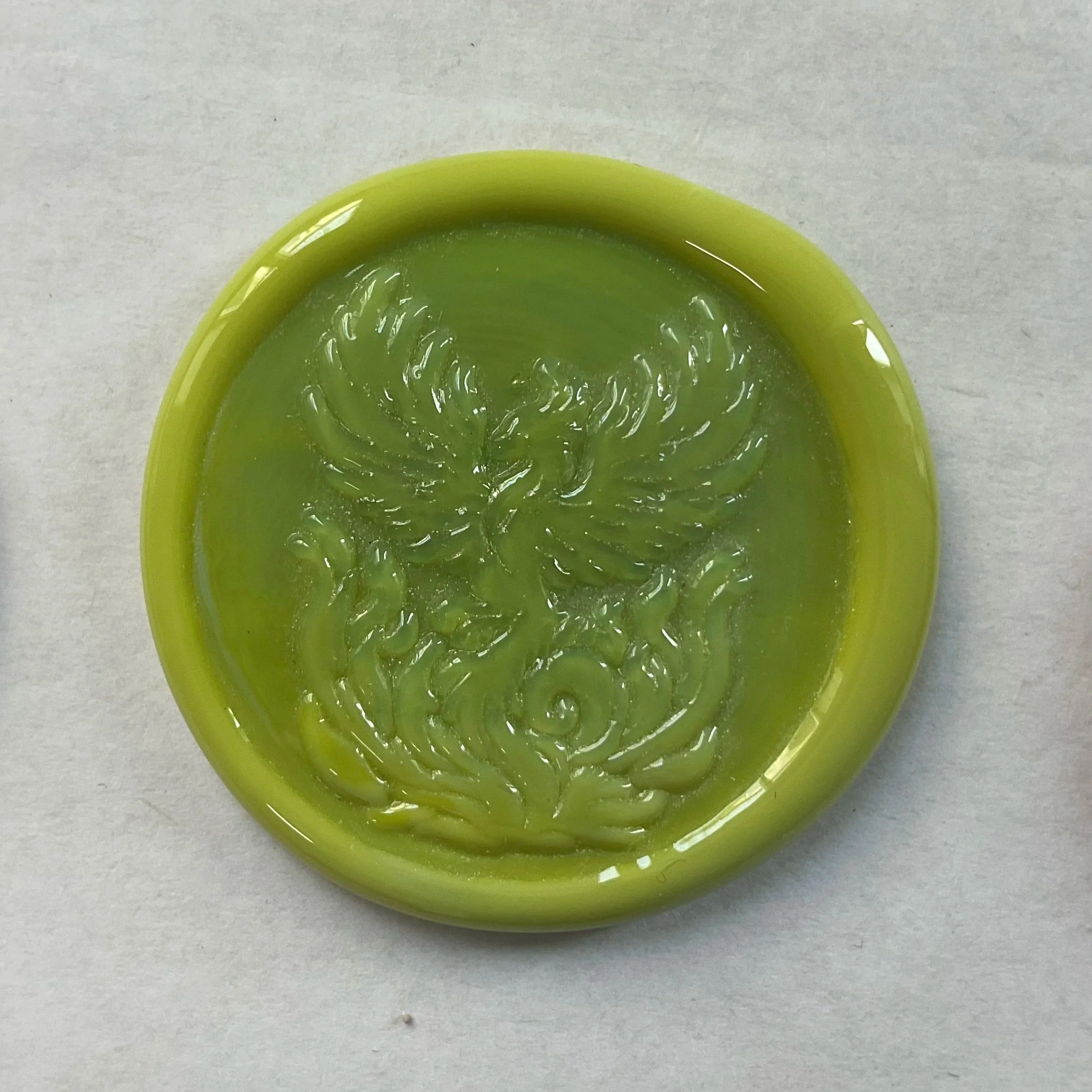
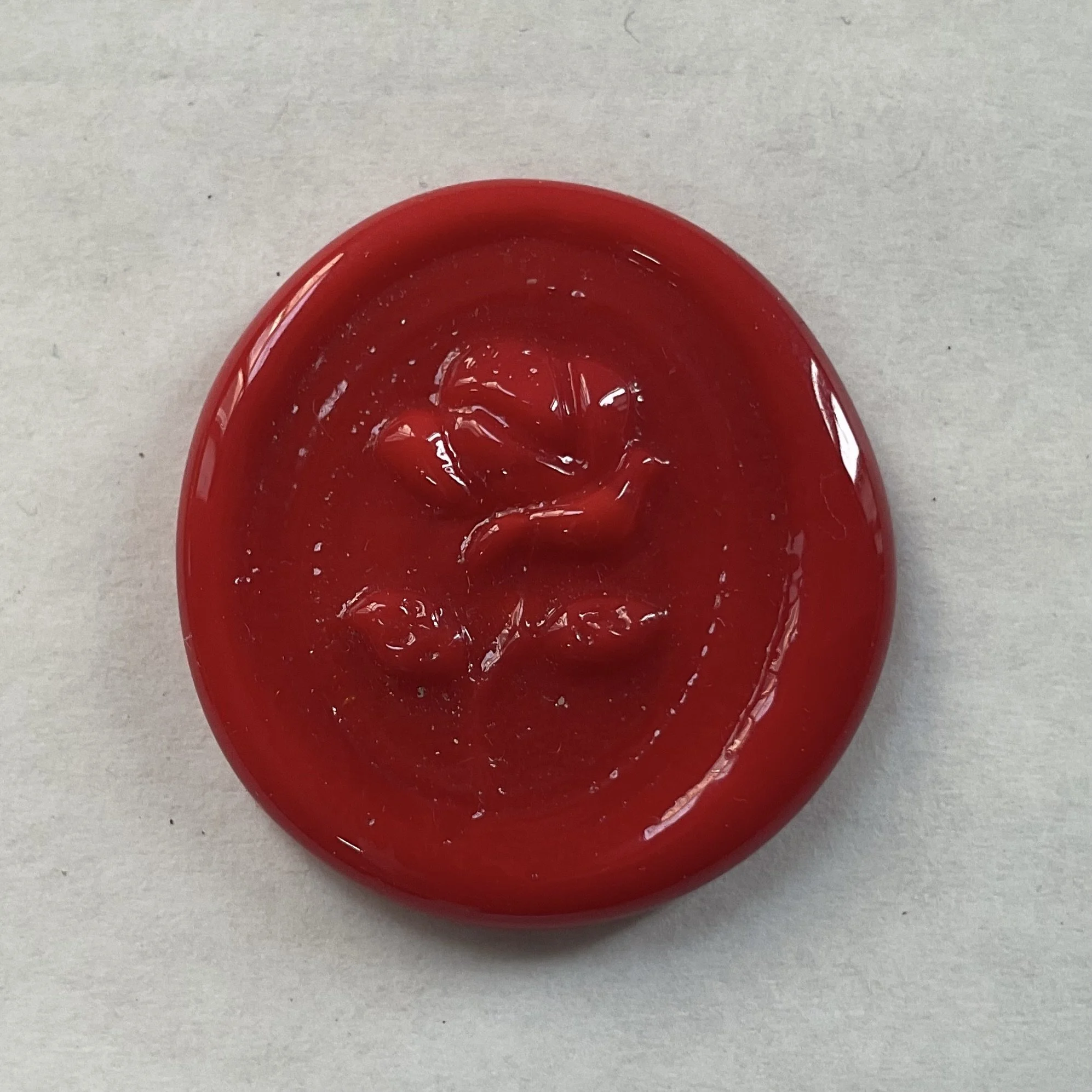
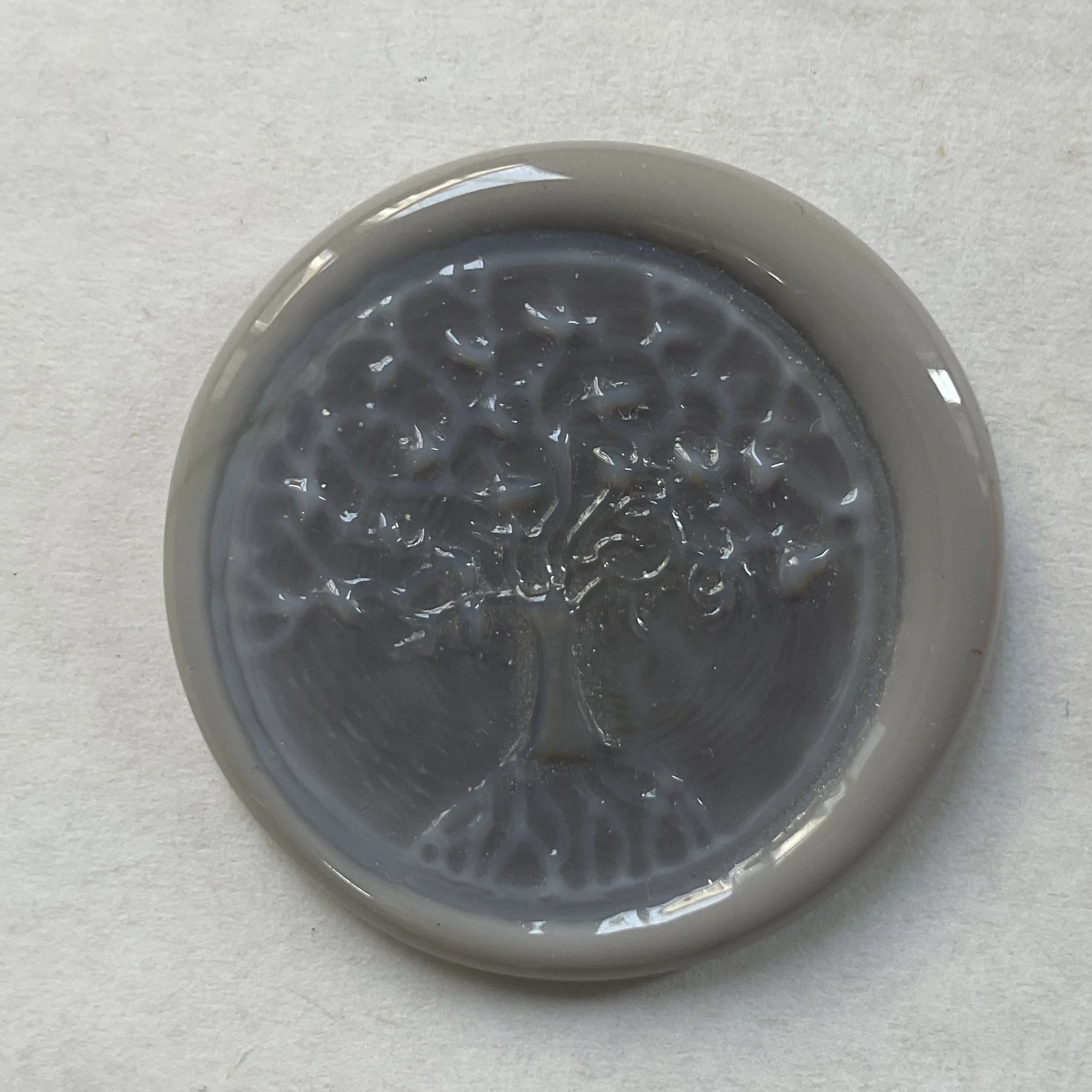
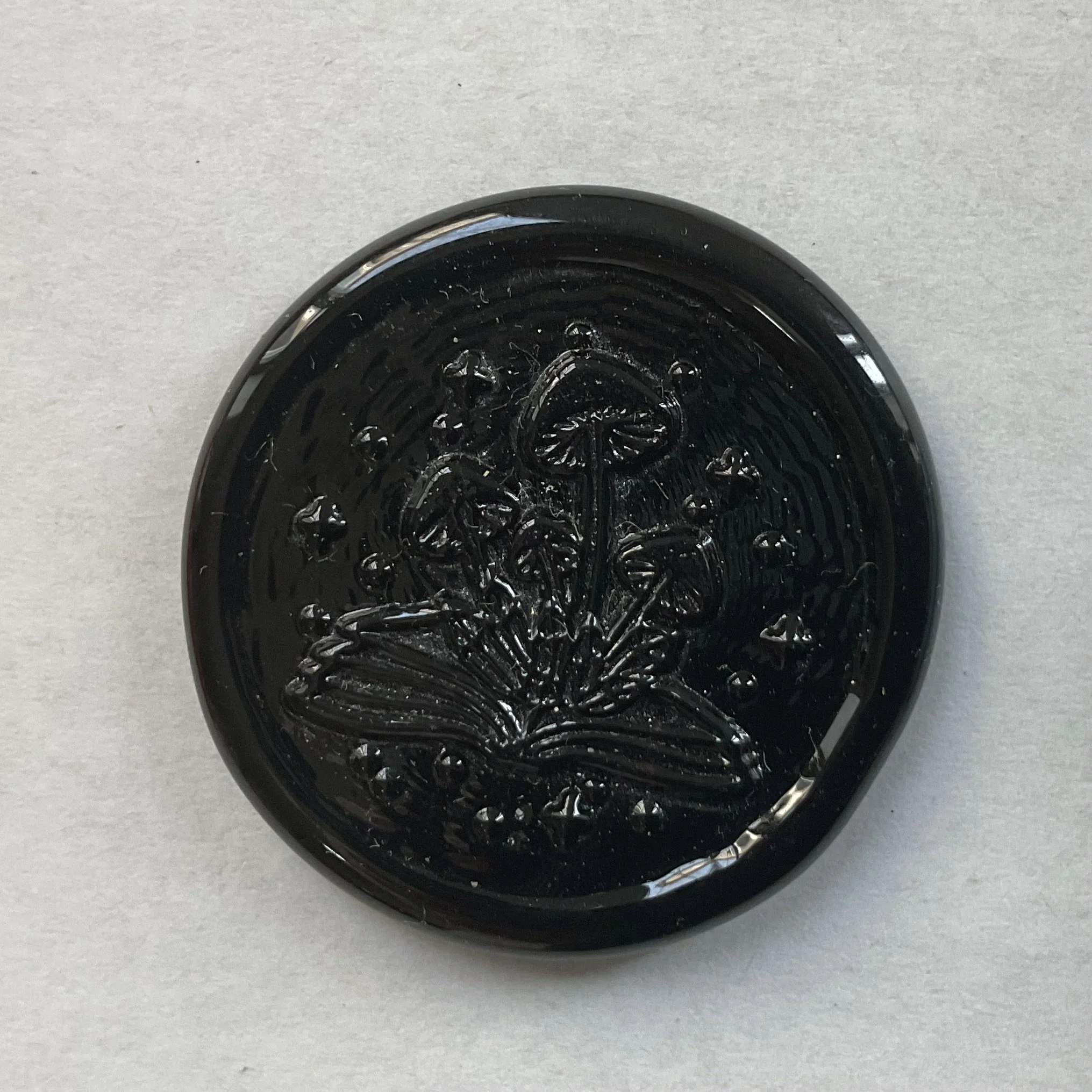
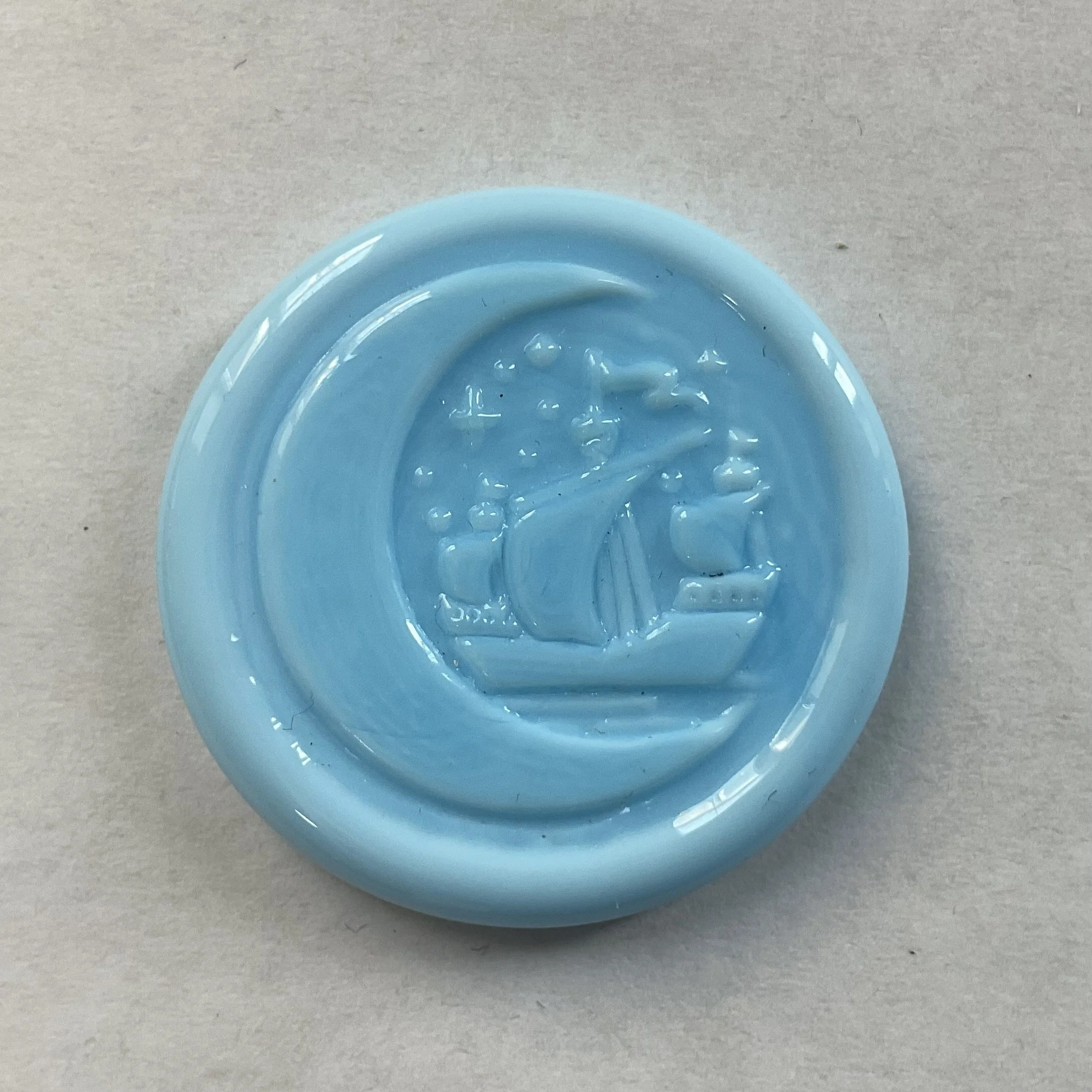
Vitra Osella / Coin
Sculptural work / research project, 2025
by Penzo+Fiore
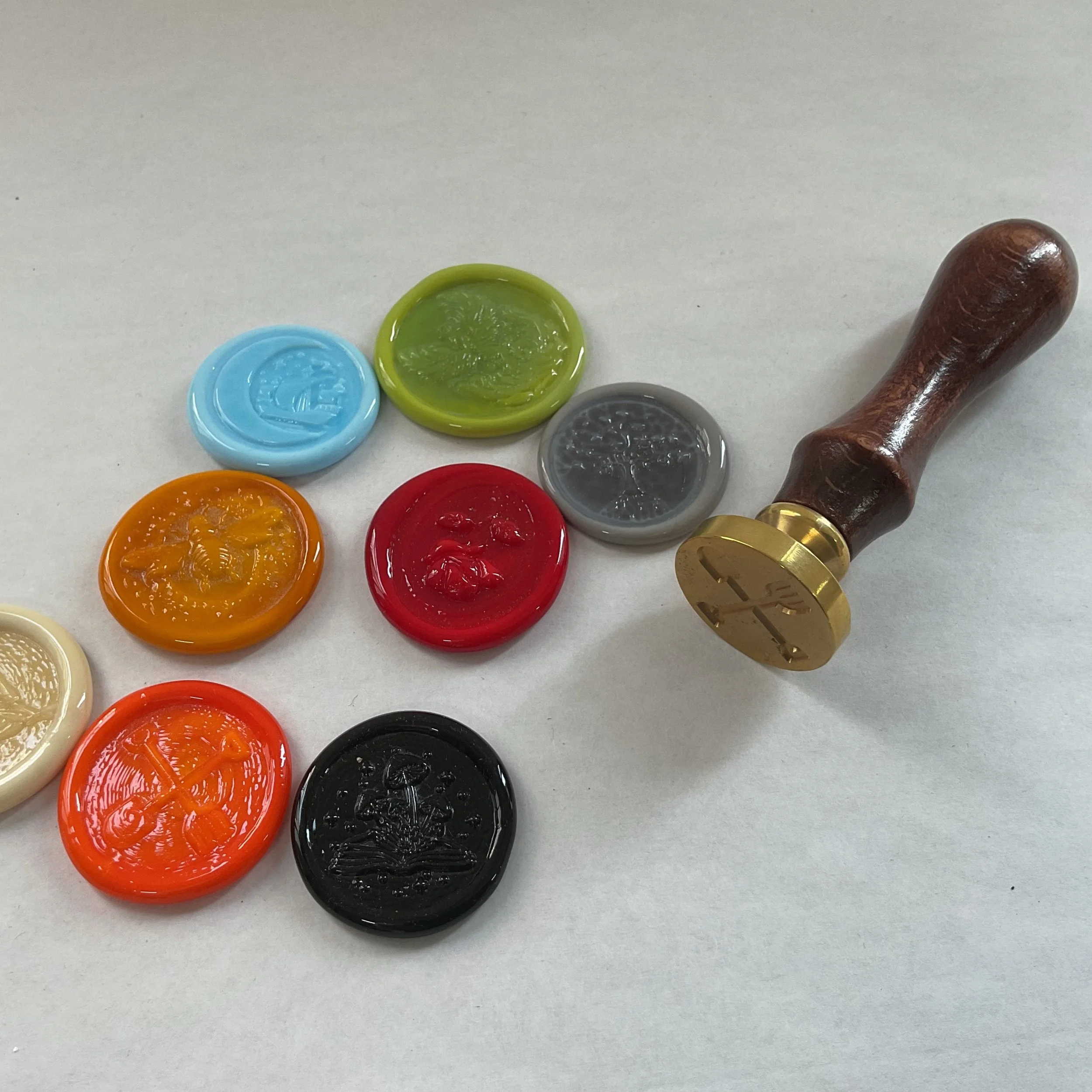
The Vitra Osella project originates as a research-based investigation into the relationship between glass, value, and symbolic circulation. It takes as its historical reference the Venetian osella, reinterpreting its form and function through Murano glass.
The project was realized within Ideal City, funded through PNRR resources in collaboration with Università Ca’ Foscari Venezia. The coin is conceived not as an economic instrument, but as a symbolic device that places fragility, durability, uniqueness, and reproducibility in tension.
Each exemplar is handcrafted through controlled artisanal processes. The project takes the form of an open work, articulated through multiple iterations and adaptable to different exhibition contexts.
Materials
Murano glass
Presentation formats
Sculpture · Installation · Series of exemplars
E sia
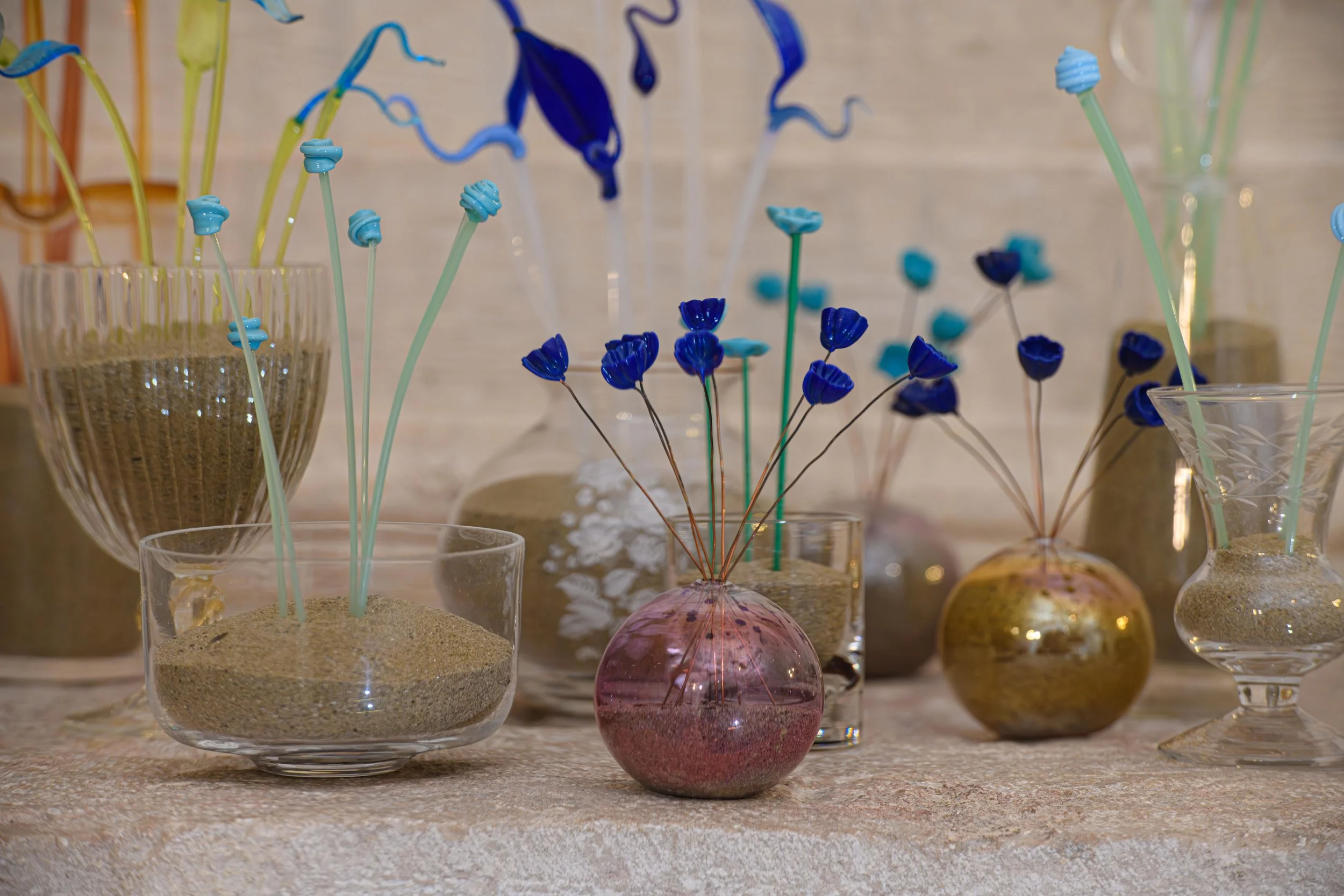
Floral installation (infiorata), 2025
by Penzo+Fiore
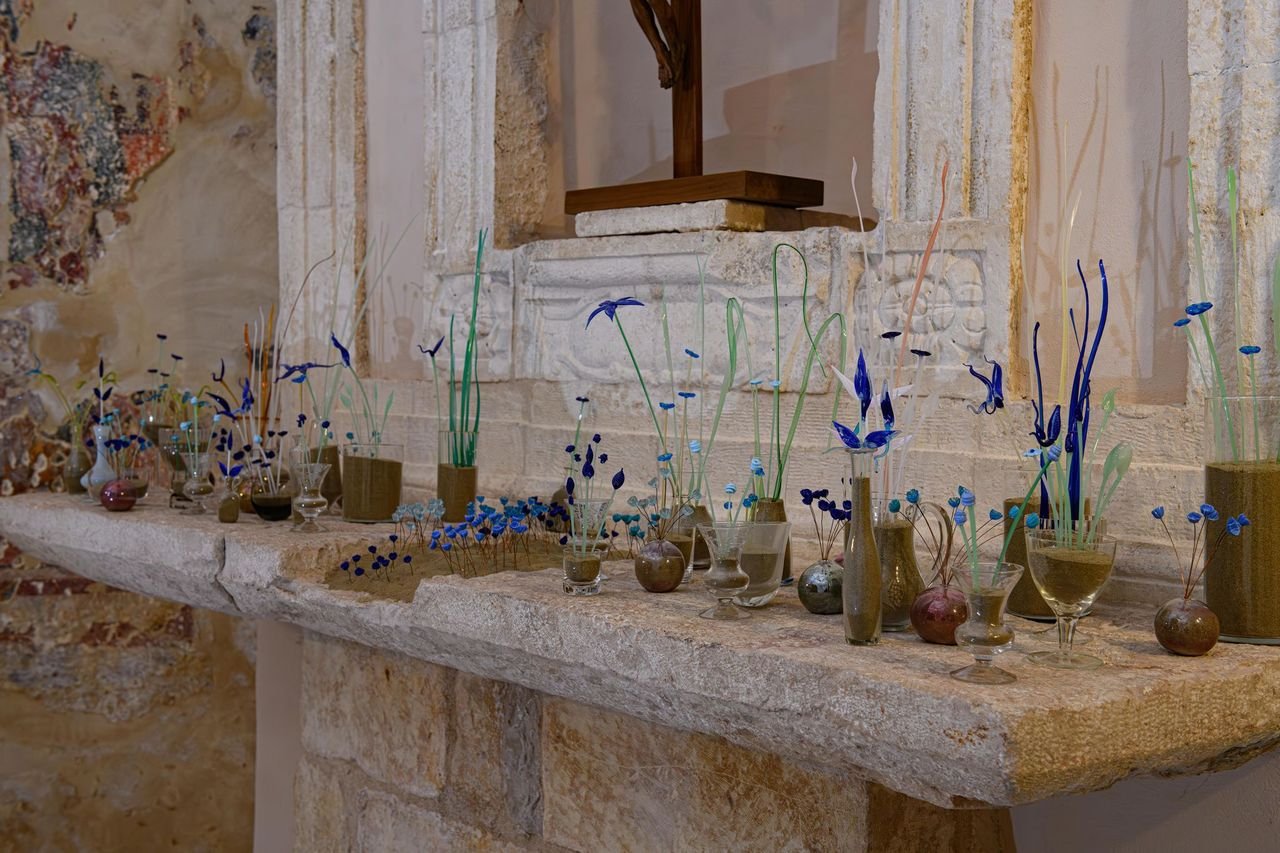
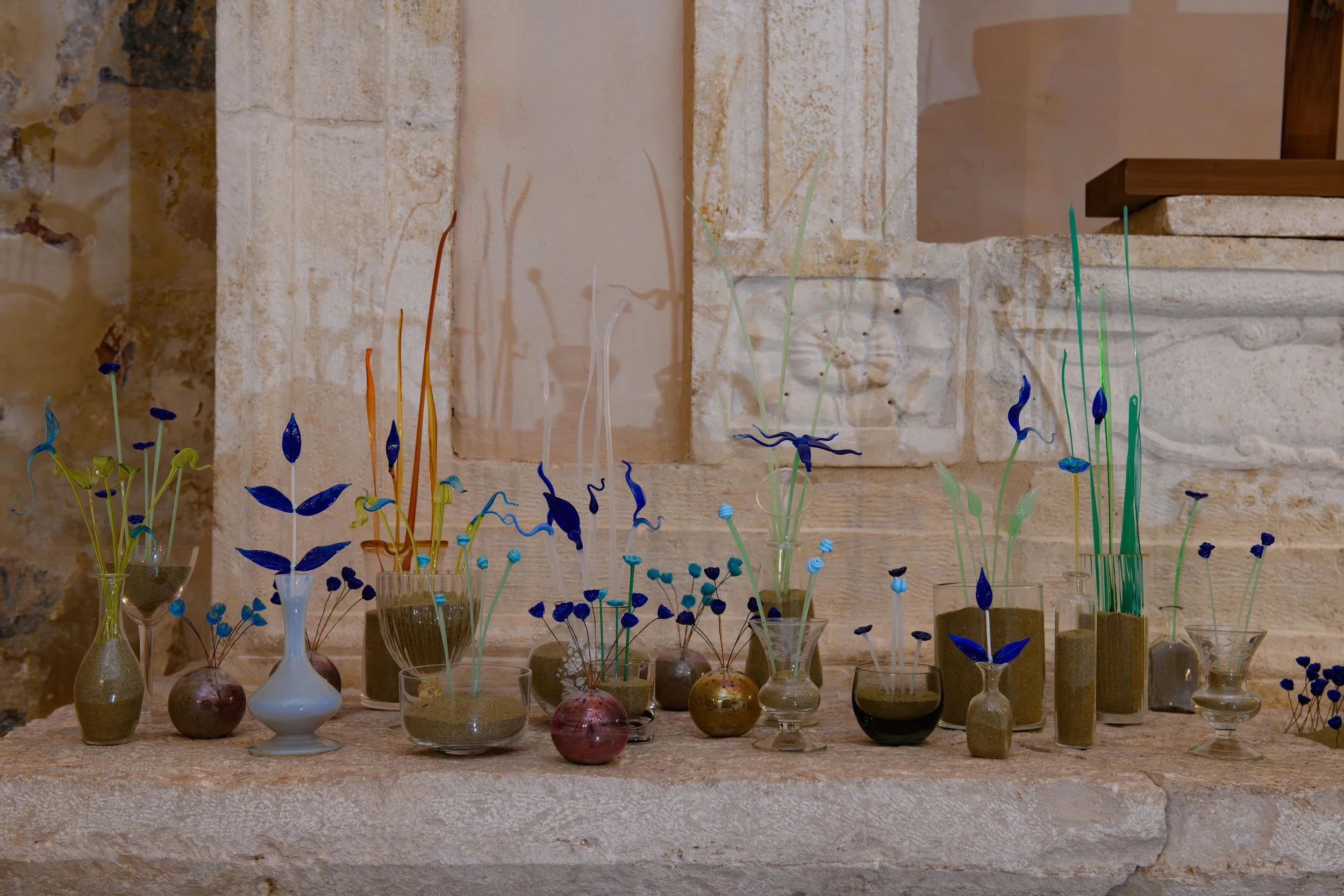
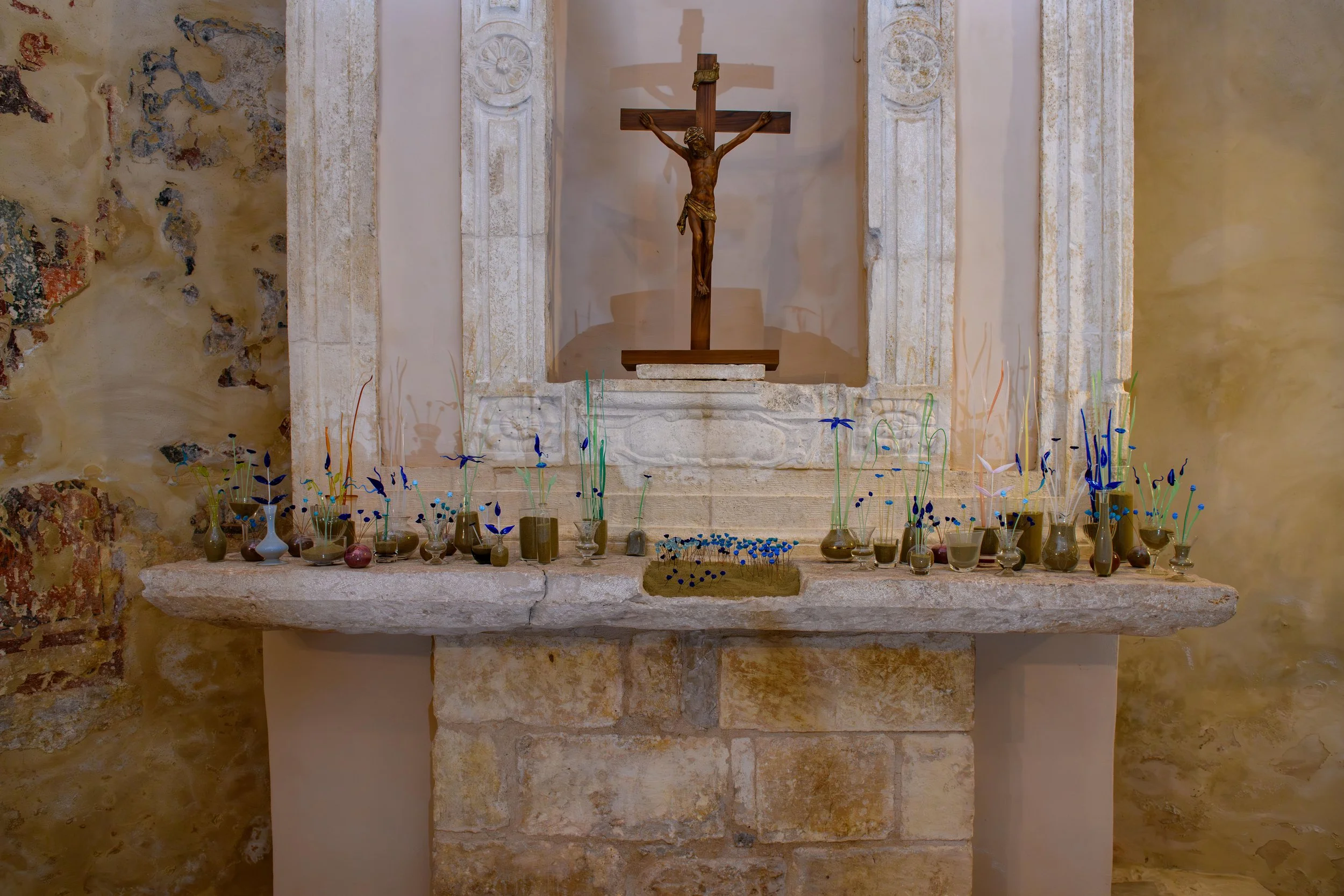
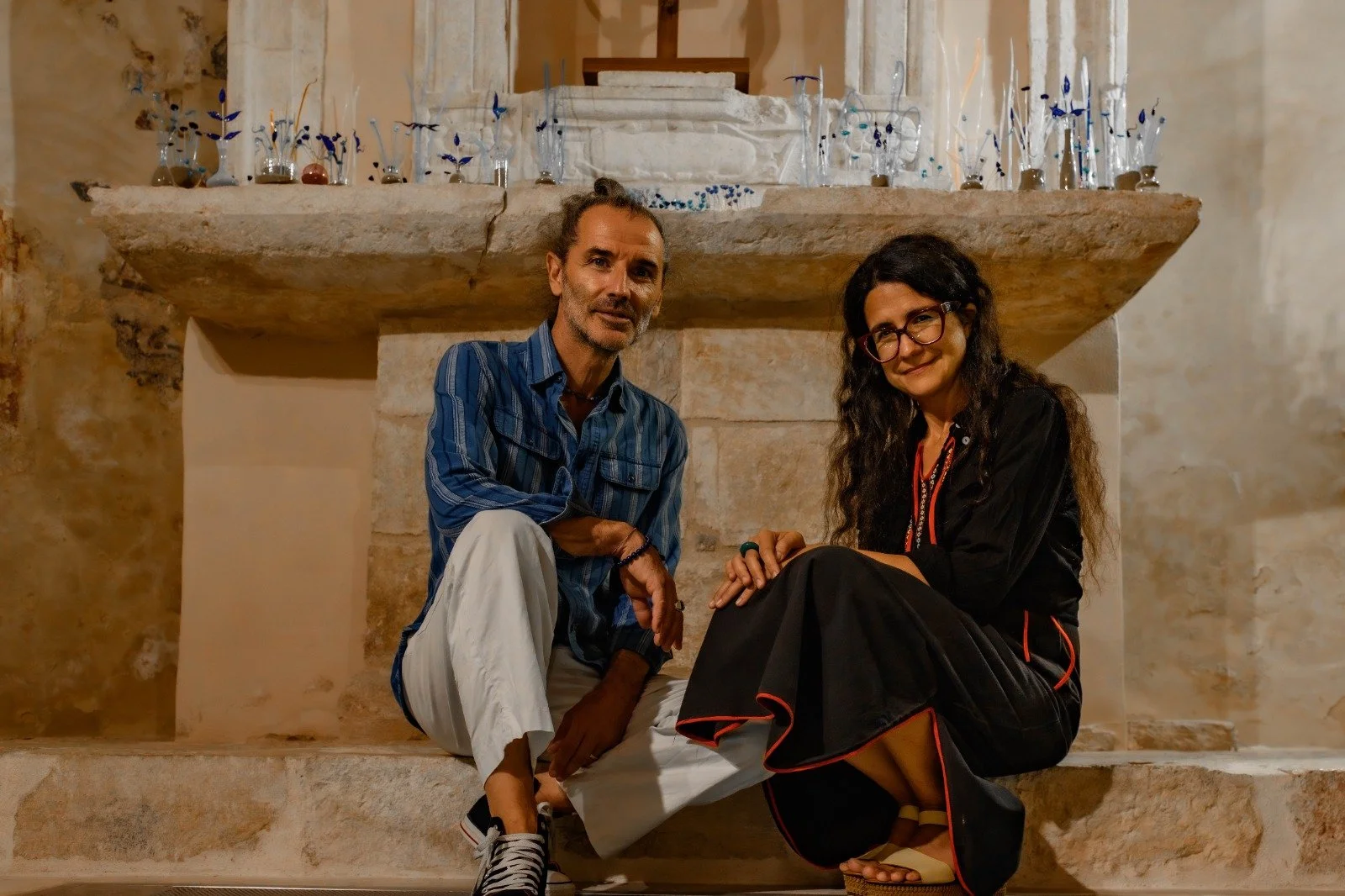
E sia is a temporary installation conceived for the exhibition Blue. The Foundations of the Spirit in San Giovanni Rotondo, on the occasion of the Jubilee. The work takes the form of an infiorata composed of blue flowers.
The installation establishes a dialogue with the research of Yves Klein, particularly with blue understood as an immaterial threshold between the visible and the invisible. Here, color is embodied in living matter, emphasizing temporality and transformation.
The title functions as an opening rather than an assertion, introducing a condition of possibility. The work operates through a minimal gesture that connects space, material, and collective presence.
Materials
Blue flowers, natural elements
Presentation formats
Temporary site-specific installation
What Does It Mean to Be Human?
Installation in Murano glass, 2022
by Penzo+Fiore
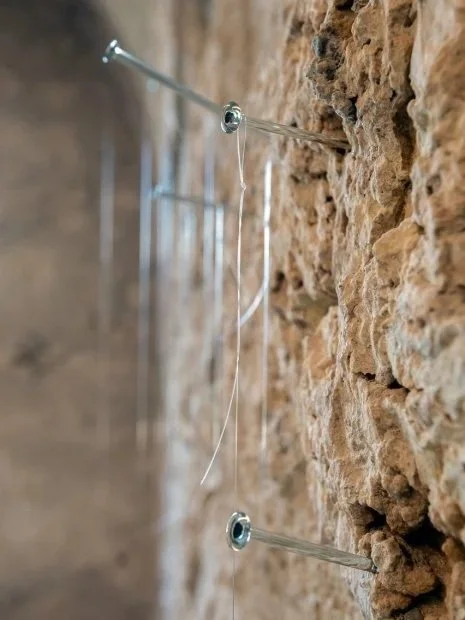
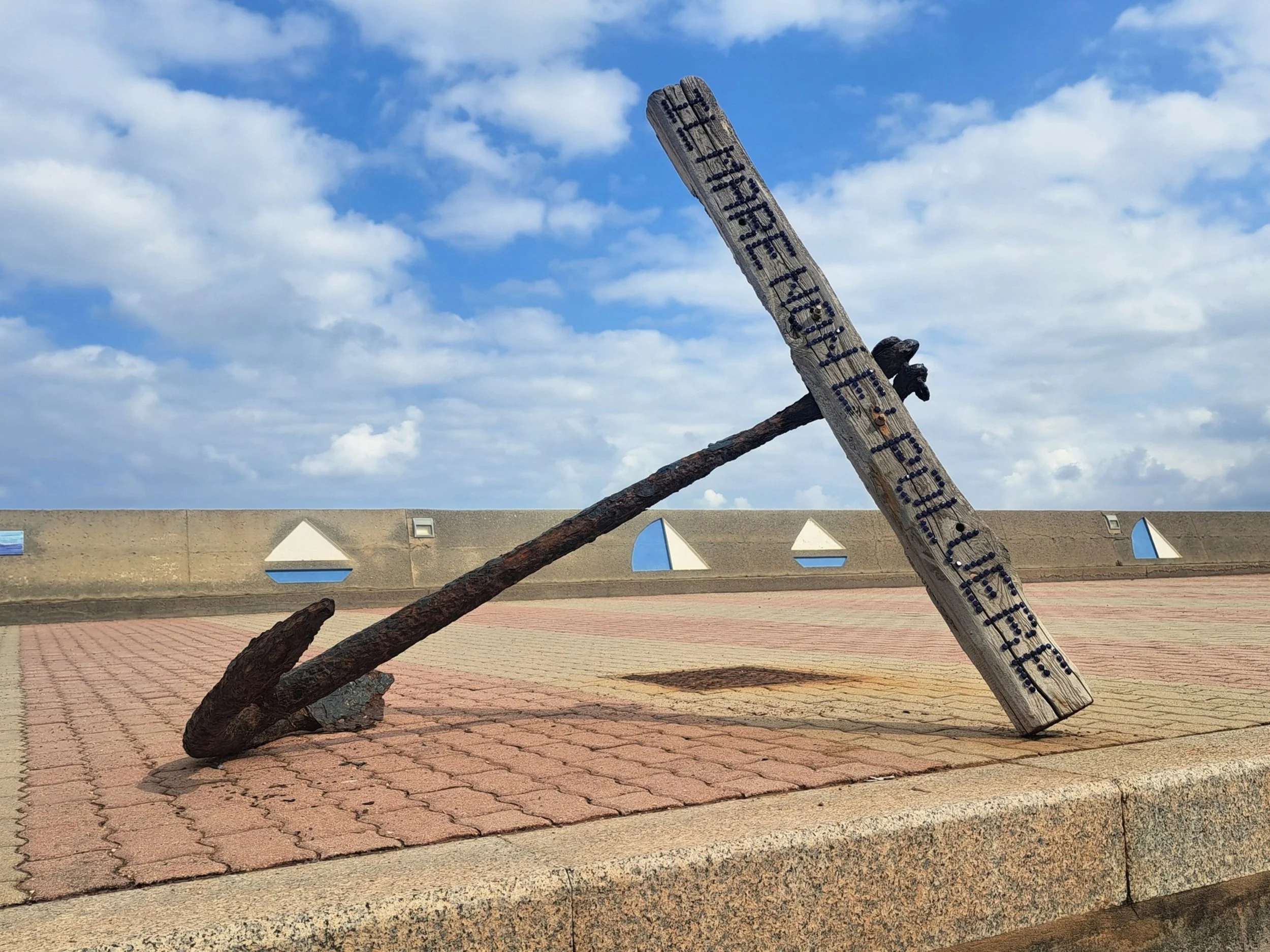
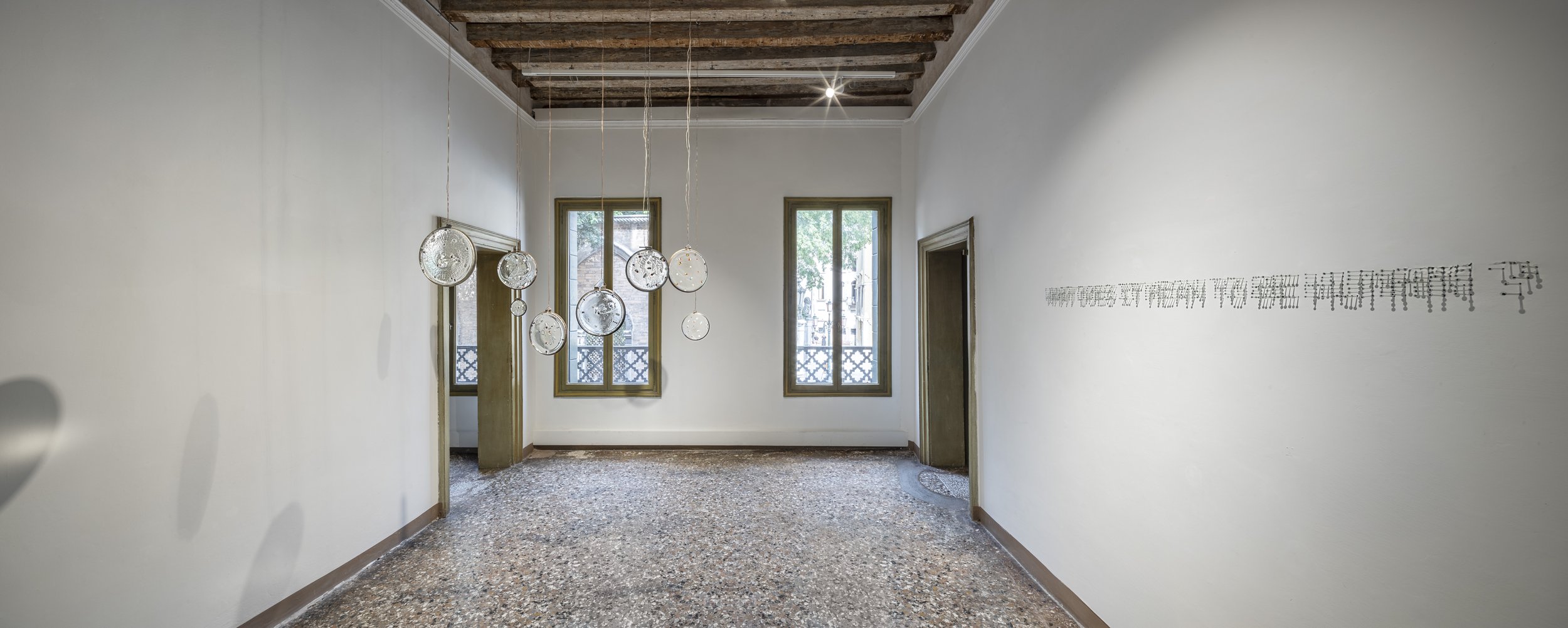
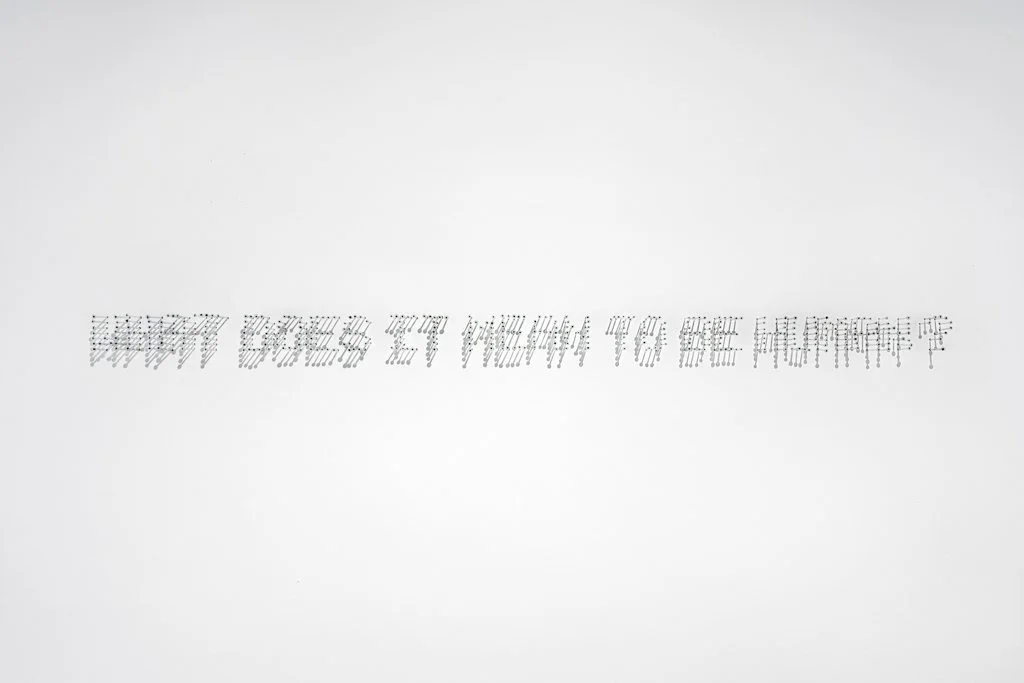
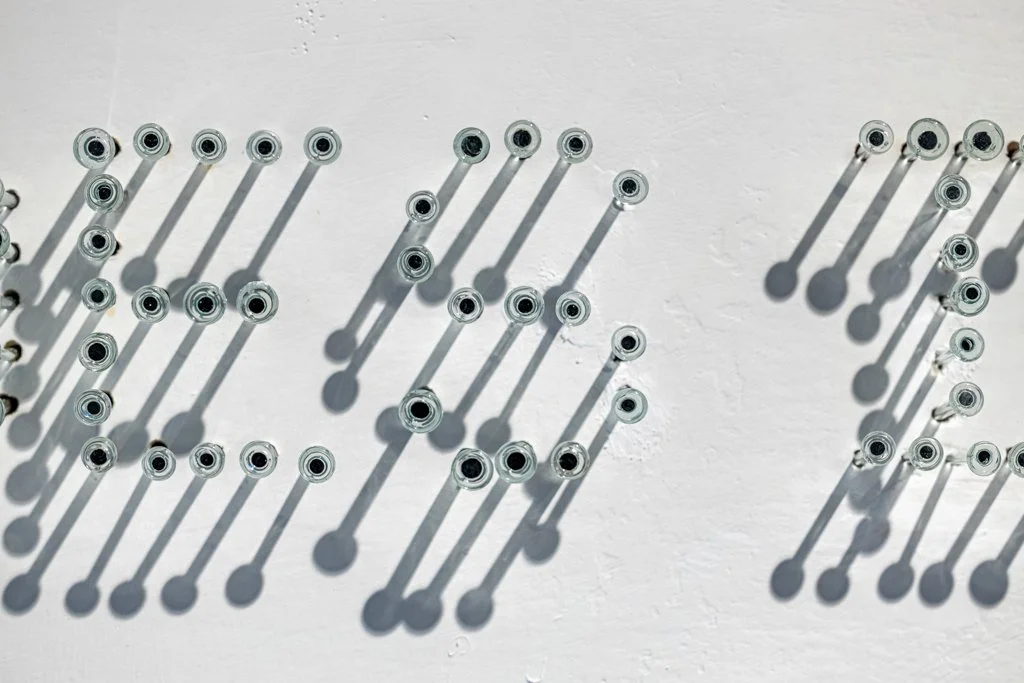
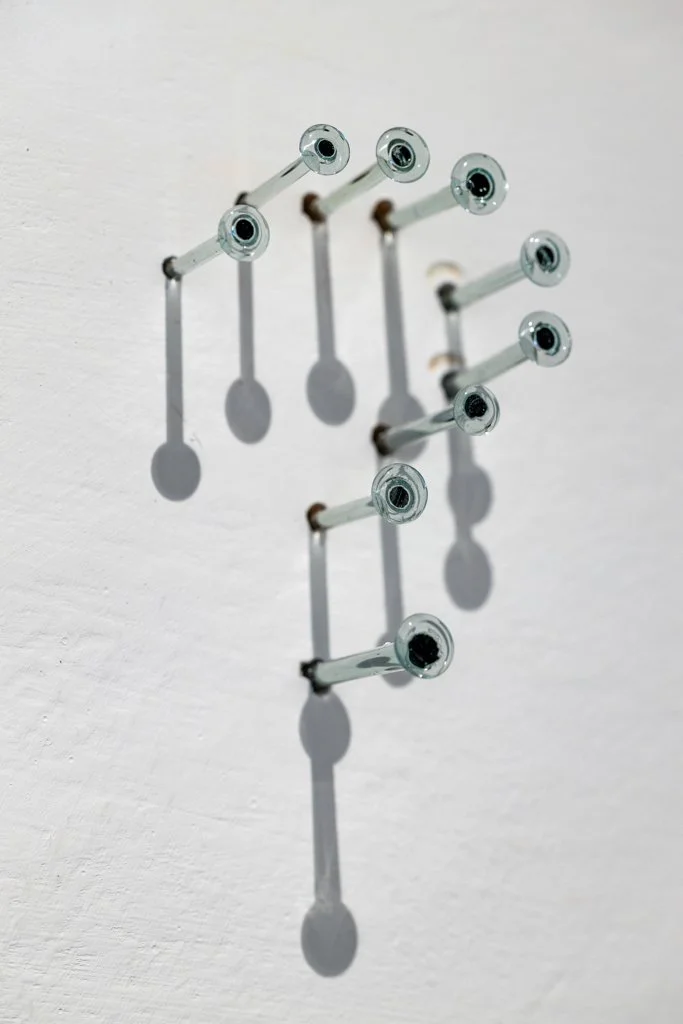
The work takes the form of a textual installation composed of hand-worked Murano glass nails. For the first time within this series, the text presents a question rather than a statement, shifting the focus from assertion to inquiry.
Glass functions simultaneously as language and structure. Each element is produced individually through a manual process that requires precision, repetition, and material control. The question is not illustrated or explained; it is constructed through the physical presence of the material and through the time required for its making.
Rather than offering an answer, the work establishes a space of suspension. Meaning emerges through the relationship between material fragility, formal rigor, and the viewer’s encounter with the text.
Materials
Murano glass
Presentation formats
Installation
Il Quarto Stato
Installation in Murano glass, 2019
by Penzo+Fiore
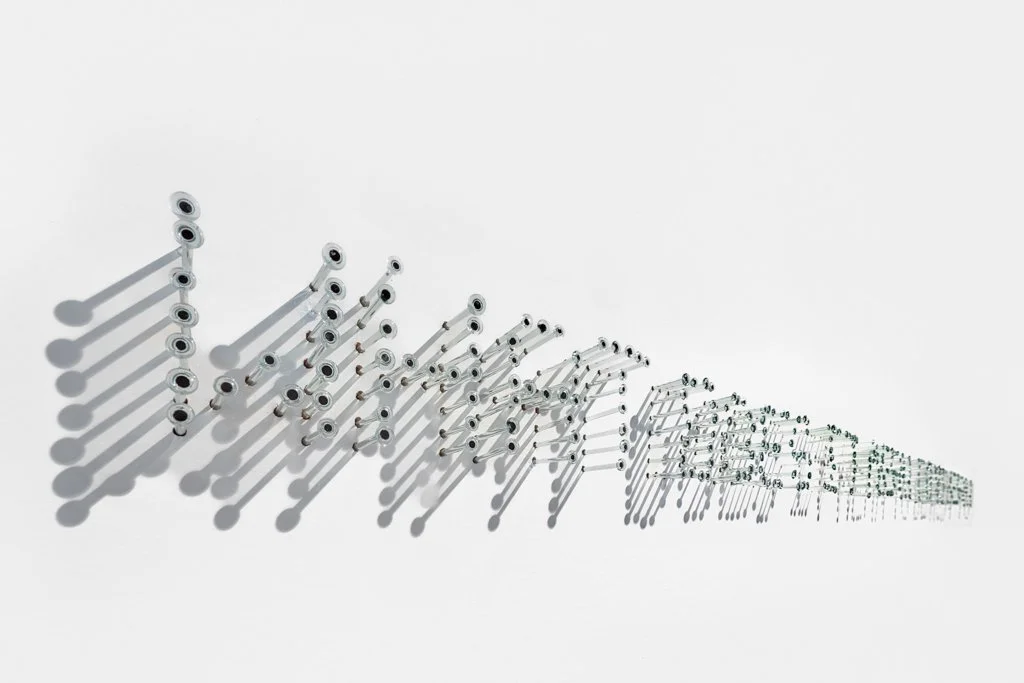
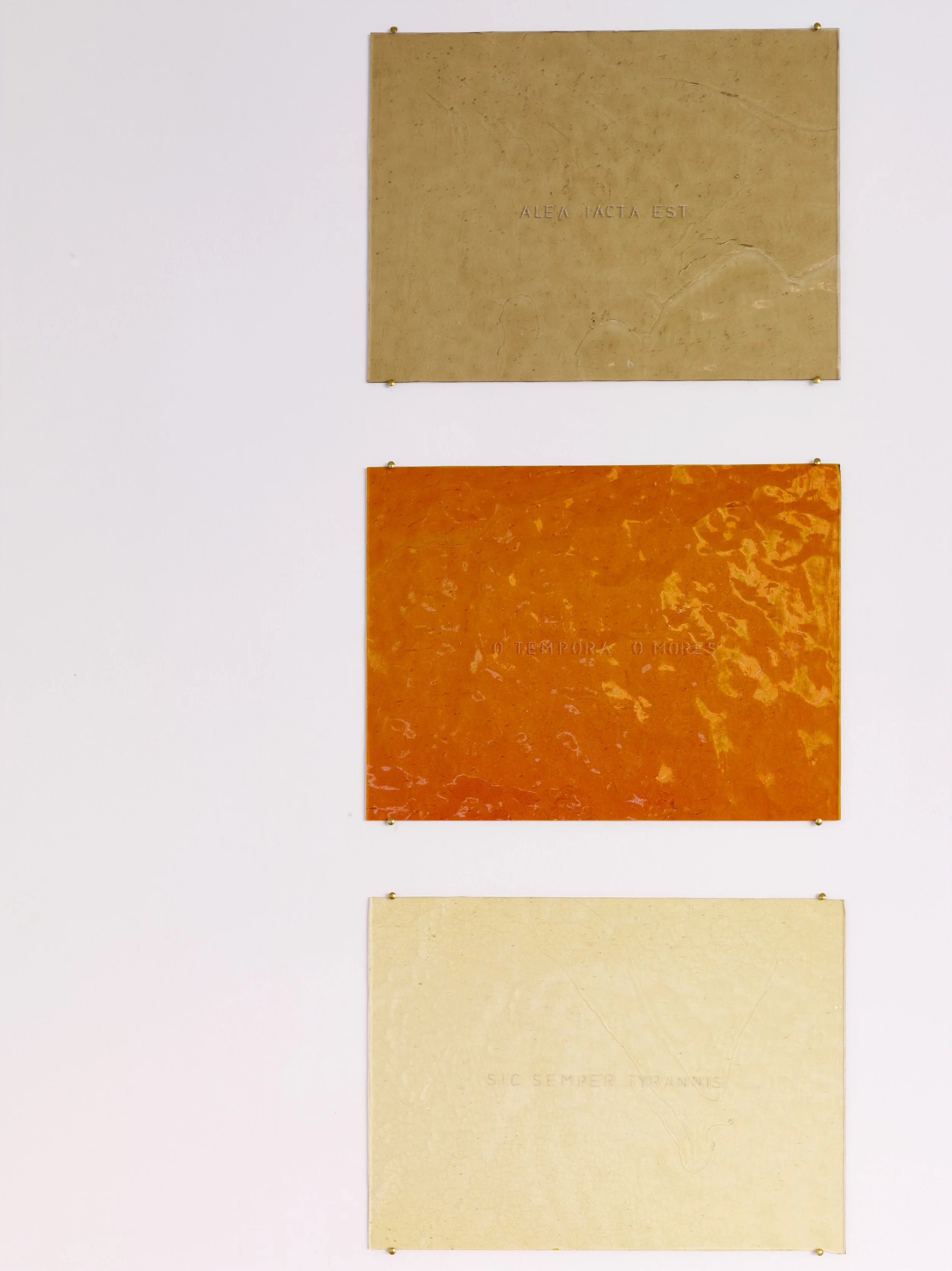
Il Quarto Stato is a site-specific installation developed through a dialogue between language, matter, and exhibition space. The work translates text into a constellation of hand-worked Murano glass nails, forming a sculptural writing that occupies space rather than representing it.
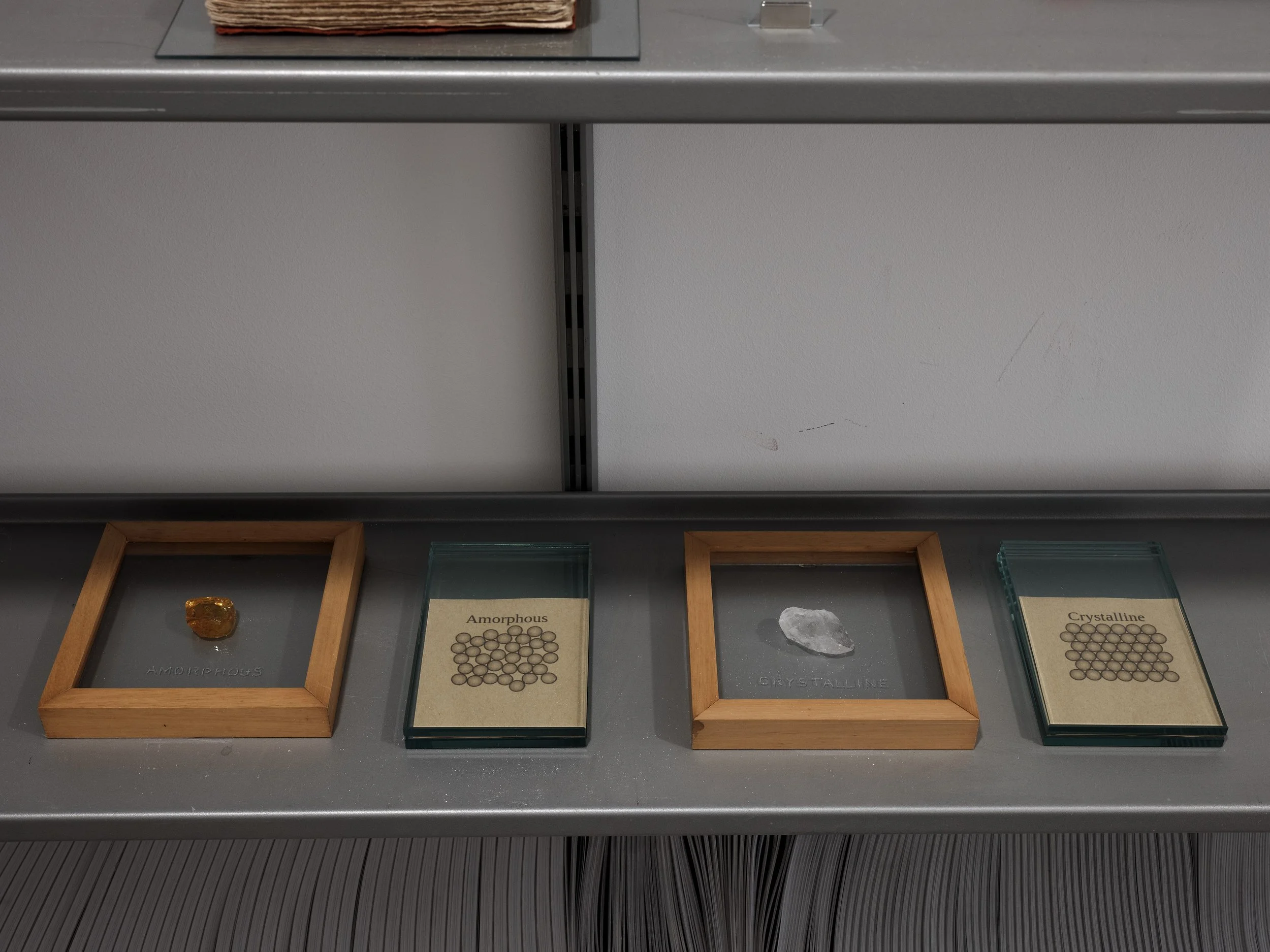
Within the research of Penzo+Fiore, glass is understood as the fourth state of matter. From a physical perspective, it is an amorphous solid, capable of maintaining form without crystallizing into a fixed structure. This material condition becomes the conceptual core of the work.
The project also engages in an indirect dialogue with Pellizza da Volpedo’s Il Quarto Stato, using glass to articulate a reflection on contemporary society, where collective and individual identities are increasingly difficult to locate. The work does not illustrate a message, but renders visible the coincidence between language and matter through time, repetition, and material discipline.
Materials
Murano glass
Presentation formats
Site-specific installation
Time
Chandelier / sculpture / installation / performance, 2018
by Penzo+Fiore
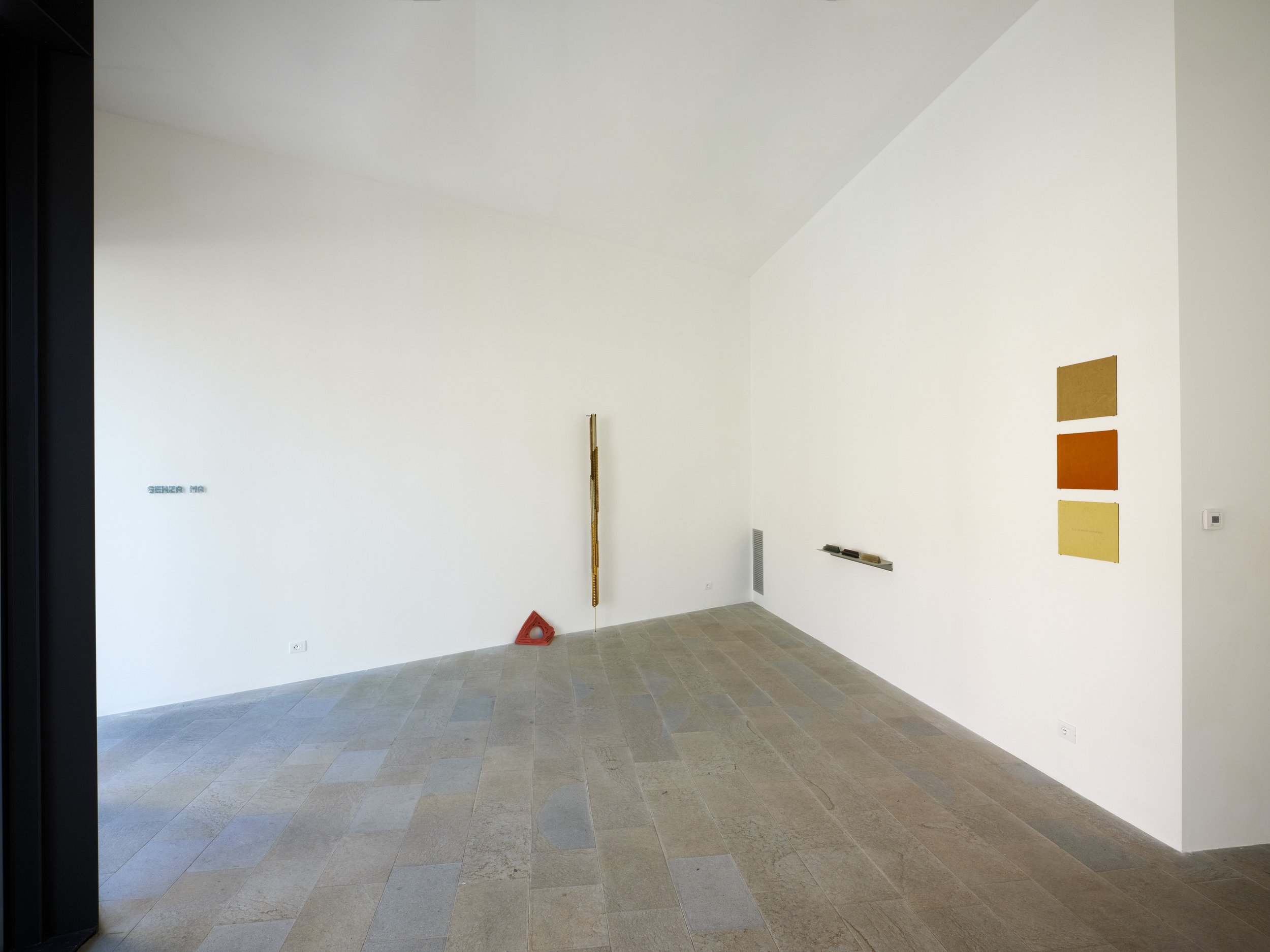
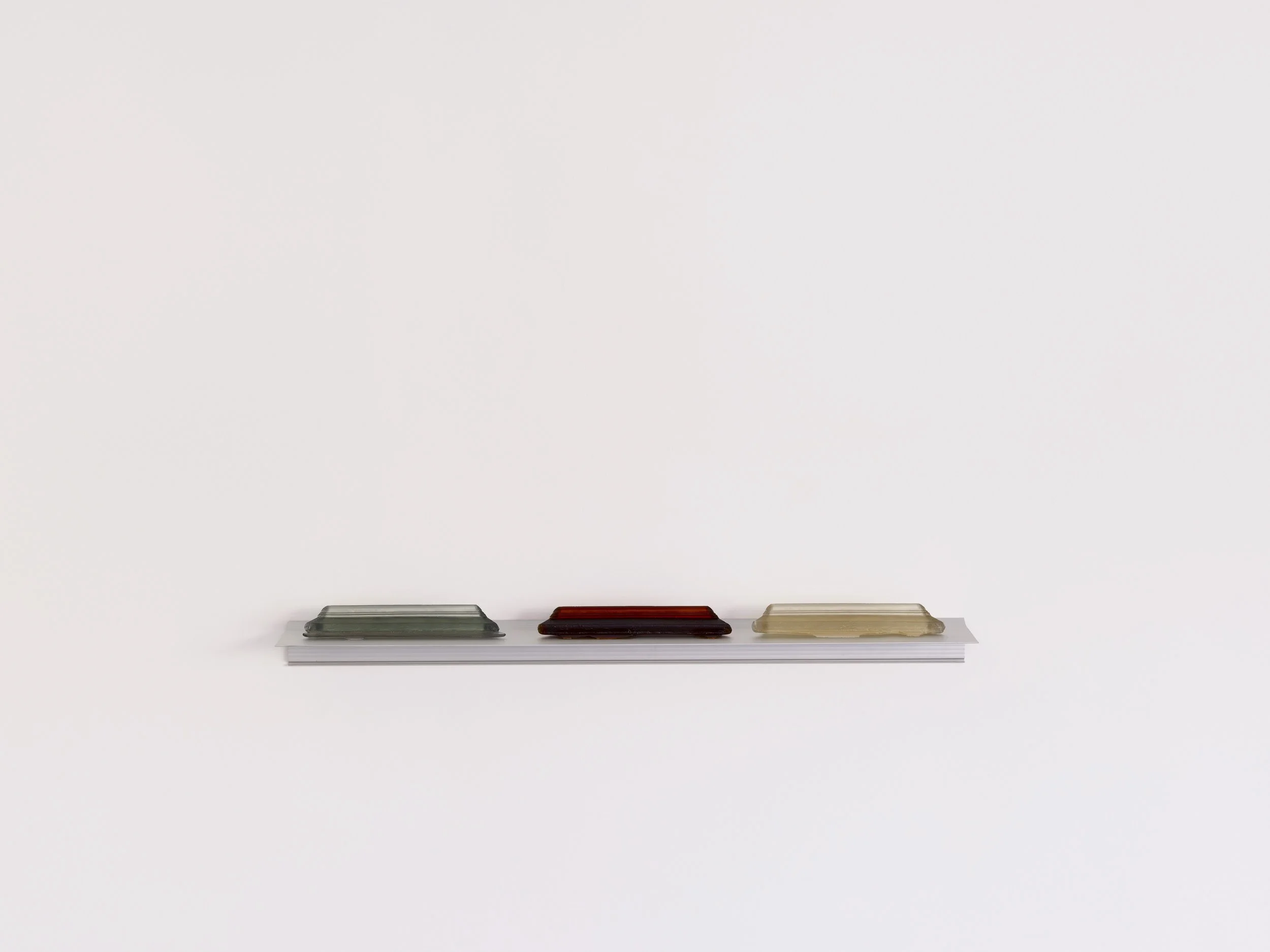
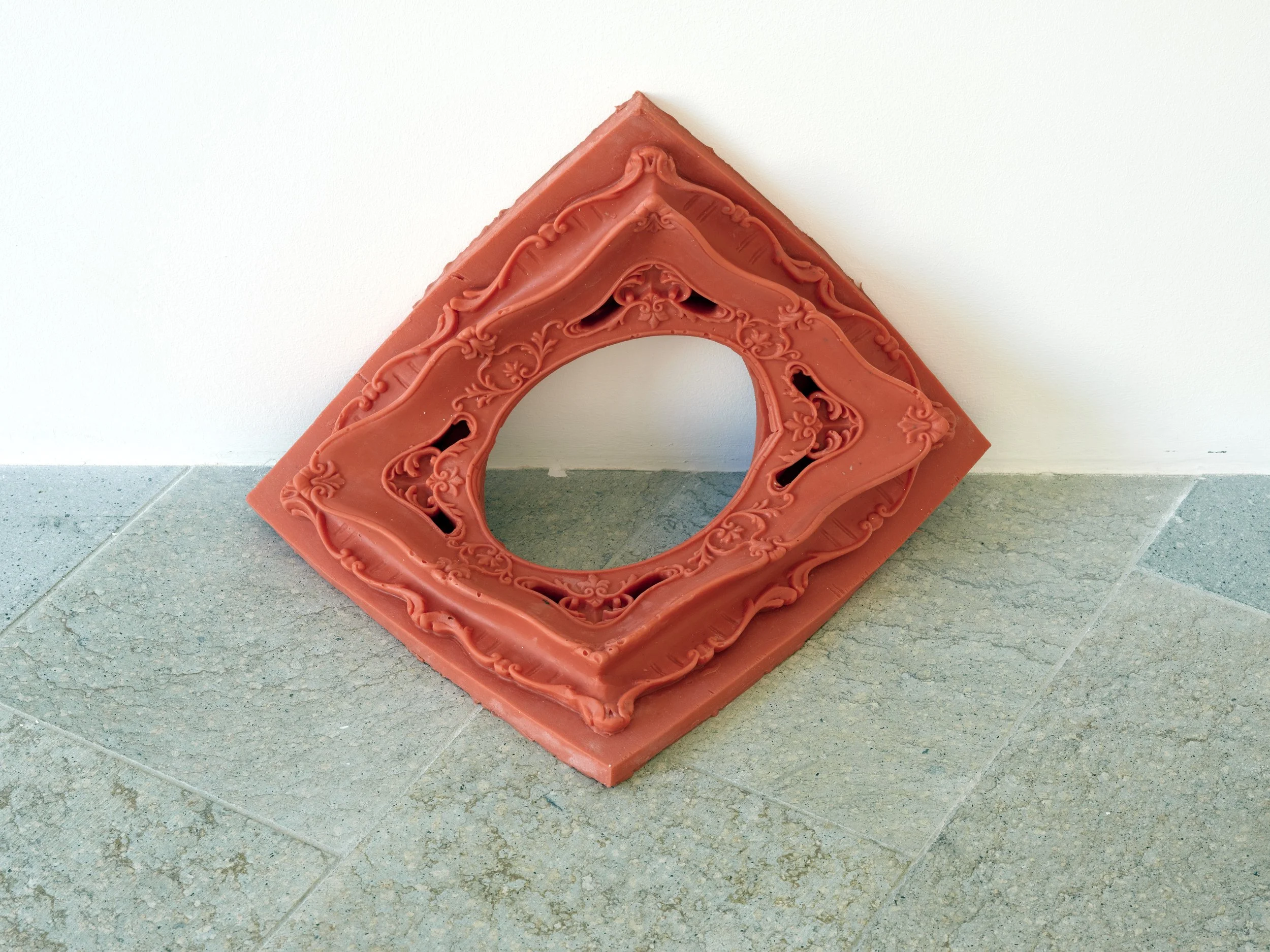
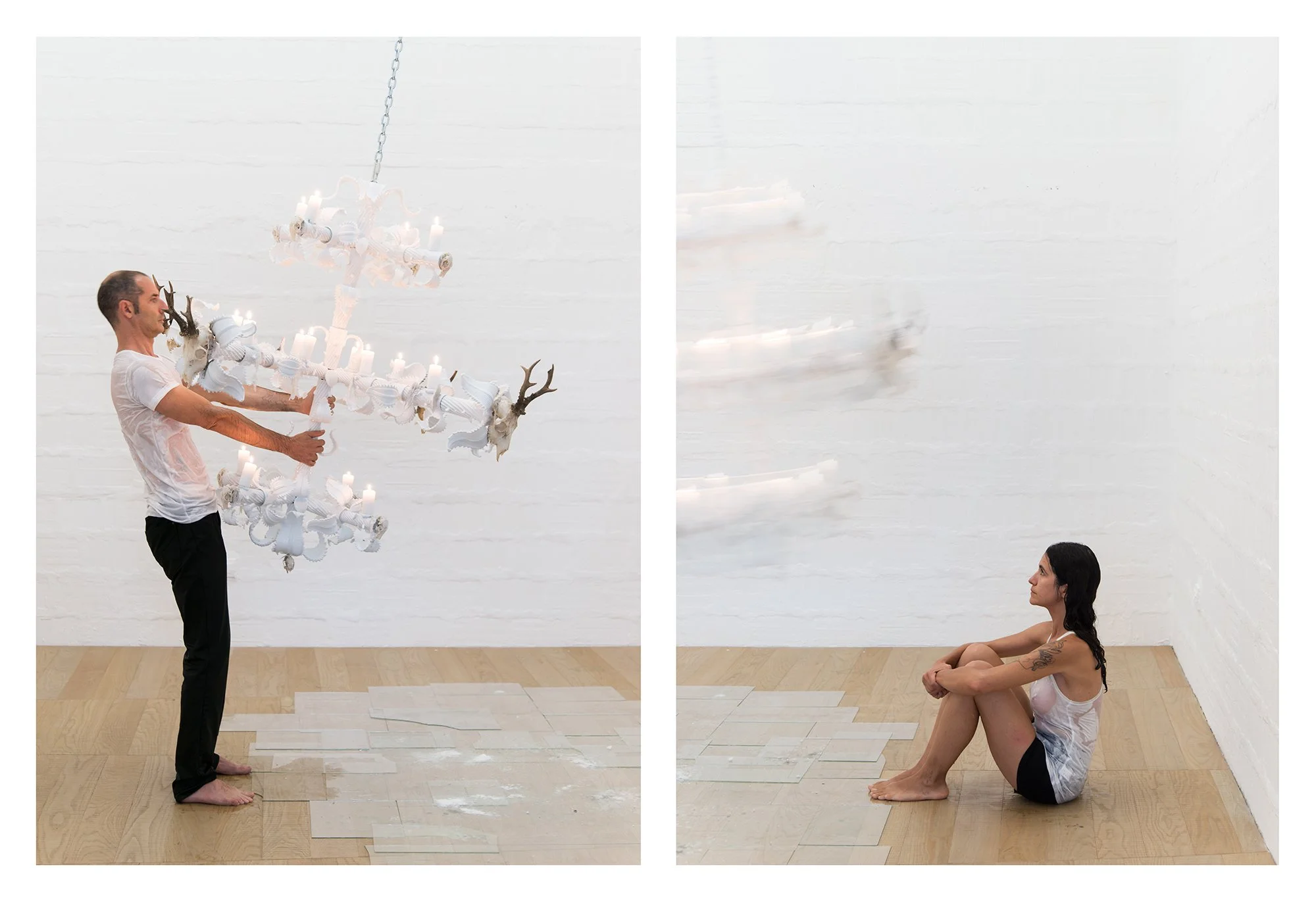
Time is a modular work conceived as a chandelier and activated as sculpture, installation, and performative device. The suspended body in Murano glass is not conceived as a functional object, but as a structure subject to gravity, movement, and temporal tension.
In its performative configuration, the chandelier is set in motion by one performer while a second performer articulates a long countdown, moving backward from the present moment to the birth year of the oldest living person at the time of the action. Time is traversed as rhythm and measure, rather than represented symbolically.
The work was produced by Berengo Studio and Marina Bastianello Gallery and foresees the realization of multiple exemplars, maintaining a consistent conceptual and material framework across different contexts.
Materials
Murano glass, wax, skulls
Presentation formats
Sculpture · Installation · Performance
Gravity
Installation, 2018
by Penzo+Fiore
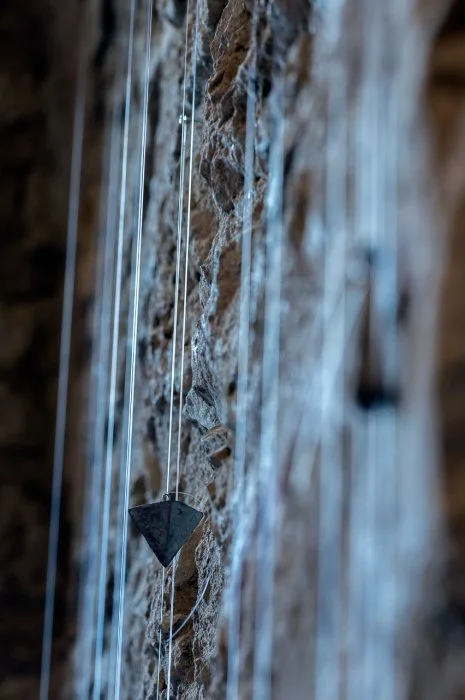
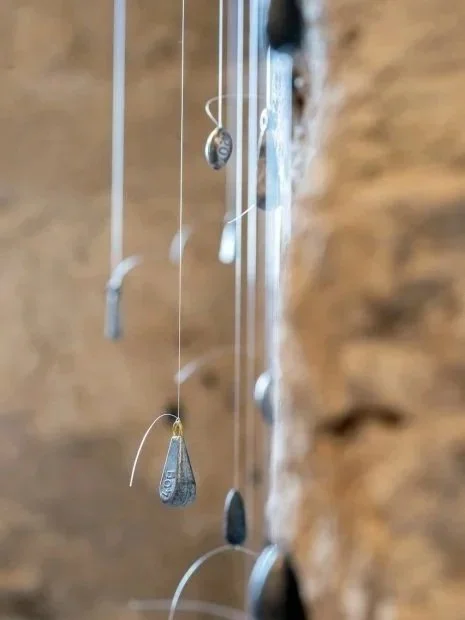
Gravity is an installation conceived for the Brain Tooling project by Dolomiti Contemporanee. The work employs Murano glass as a load-bearing element, rendering visible the tension generated by weight and suspension.
The installation is structured around a glass nail that functions as a point of balance and resistance. Form emerges directly from the relationship between force, traction, and material behavior. The work does not represent gravity; it activates it.
Glass retains a condition of continuous tension, making equilibrium perceptible as a temporary and reversible state.
Materials
Murano glass, load and suspension elements
Presentation formats
Site-specific installation · Autonomous work in relation to the site